
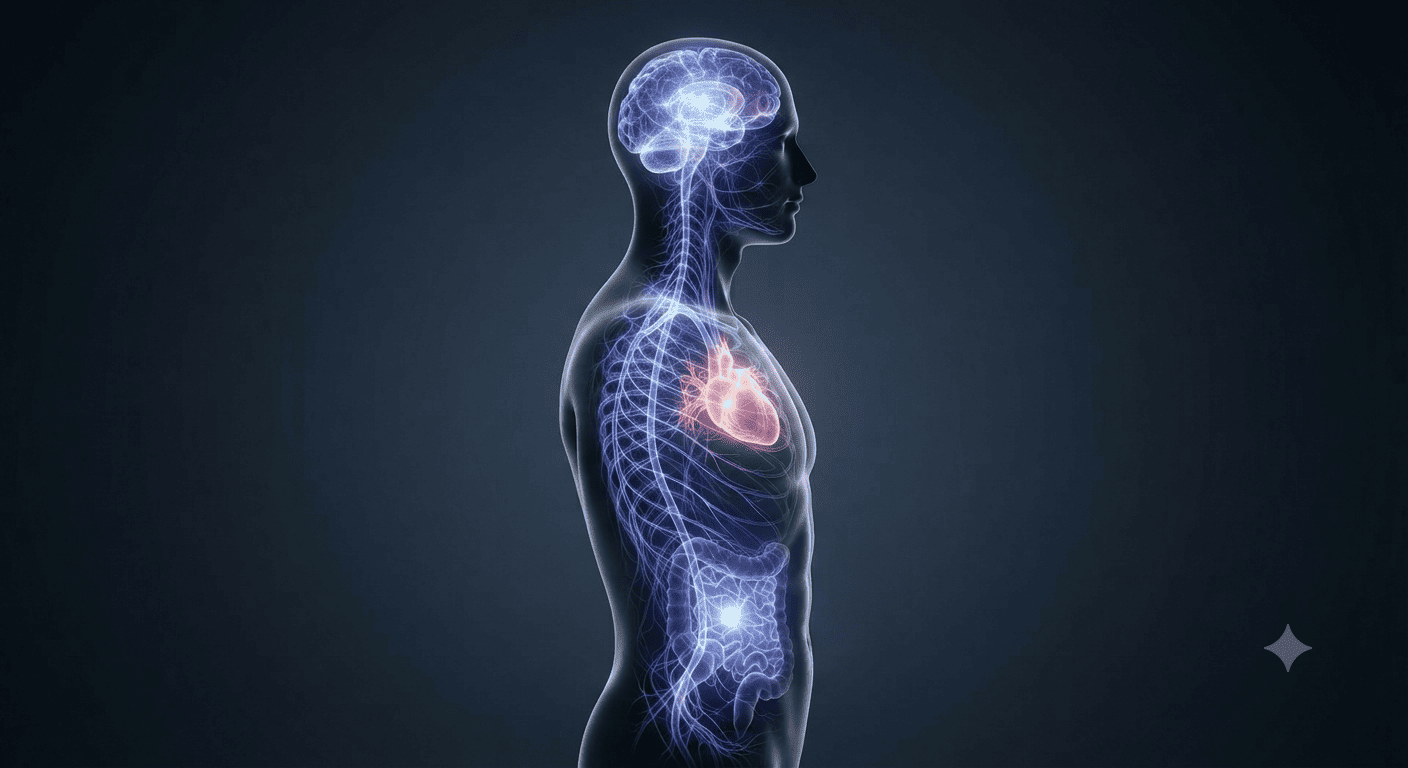
Anxiety is more than just feeling stressed; it is a complex neurophysiological state of alarm—a “fight or flight” response triggered by the brain’s cognitive appraisal of danger. Clinically, it manifests as a persistent, future-oriented mood state involving intricate cognitive, physiological, and behavioral symptoms that can significantly disrupt daily life. Driven by a blend of genetic, environmental, and neuro-endocrine factors, pathological anxiety represents a systemic imbalance in the body’s regulatory pathways.
In this guide, I explore the clinical landscape of anxiety, from its neurological underpinnings to its varied manifestations. By bridging conventional diagnostic insights with the deep, holistic potential of homoeopathy, I aim to provide a pathway toward restoring nervous system balance to achieve long-term psychological resilience.
Clinical Phenomenology: Diagnostic Spectrum of Anxiety
In clinical practice, identifying the specific “anxiety subtype” is essential for developing a precise treatment strategy. Clinicians, categorize these disorders based on their clinical prevalence and primary drivers:
I. The Core Anxiety Disorders (Commonly Encountered)
- Generalized Anxiety Disorder (GAD): Characterized by persistent, pervasive, and uncontrollable worry regarding various life domains. It is defined by chronic autonomic overarousal—marked by restlessness, fatigue, cognitive “blanking,” and persistent muscle tension.
- Panic Disorder: Marked by recurrent, abrupt surges of intense physiological and cognitive terror (panic attacks). The hallmark is a persistent, maladaptive preoccupation with the recurrence of these attacks, leading to behavioral avoidance.
- Social Anxiety Disorder (Social Phobia): A profound apprehension regarding social evaluation. Patients experience intense distress in situations where they are subject to scrutiny, driven by a deep-seated fear of humiliation, rejection, or negative judgment.
- Specific Phobias: An immediate, intense, and disproportionate fear reaction to specific objects or stimuli (e.g., animals, heights, or blood/injection), leading to persistent avoidant behavior despite the actual danger being minimal.
- Agoraphobia: A severe anxiety response to environments where escape might be difficult or help unavailable (e.g., public transport, crowds, or being outside the home alone), resulting in the systematic restriction of the patient’s physical and social life.
II. Additional Clinical Subtypes & Etiological Considerations
Beyond the core presentations, clinical anxiety also manifests in specific, less common, or secondary forms that require astute diagnostic observation:
- Developmental & Behavioral Presentations: This includes Separation Anxiety Disorder (excessive fear regarding separation from attachment figures, often persisting into adulthood) and Selective Mutism (inability to speak in specific social situations despite functional language skills).
- Secondary/Organic Manifestations: Anxiety symptoms may also arise as a direct result of external or systemic factors. This includes Substance/Medication-Induced Anxiety Disorder (arising from intoxication, withdrawal, or pharmacological agents) and Anxiety Disorder Due to Other Medical Conditions, where the anxiety is a physiological consequence of organic pathology, such as endocrine dysregulation (e.g., hyperthyroidism, hypoglycemia), cardiovascular issues (e.g., arrhythmias), or metabolic/neurological disturbances (e.g., B12 deficiency, seizures).
Clinical Presentation: Mind-Body Axis
In clinical practice, identifying anxiety requires a systematic analysis of how the condition manifests across different domains. For diagnostic precision, the presentation is categorized into a four-dimensional framework based on the Characteristic Symptoms of Pathological Anxiety:
- Cognitive Symptoms: This encompasses the internal mental experience of patient. Key markers include the fear of losing control, fear of physical injury or death, fear of “going crazy,” and fear of negative evaluation by others. It is often characterized by frightening thoughts, intrusive mental images or memories, and a perception of unreality or detachment. Clinically, this manifests as poor concentration, confusion, distractibility, narrowing of attention, hypervigilance for threats, and difficulty speaking.
- Physiological Symptoms (The Somatic Expression): Body reflects the internal alarm state through profound autonomic overactivity. Common markers include increased heart rate and palpitations; respiratory distress such as shortness of breath, rapid breathing, chest pain or pressure, and a choking sensation. Vestibular and neurological indicators include dizziness, light-headedness, faintness, trembling, shaking, and tingling or numbness in extremities. Gastrointestinal and systemic signs include nausea, upset stomach, diarrhoea, sweating, hot flashes/chills, muscle tension, rigidity, weakness, and dry mouth.
- Behavioral Symptoms: These represent observable patterns of the patient’s response to perceived danger. These include the systematic avoidance of threat cues or situations; active escape or flight maneuvers; the constant pursuit of safety and reassurance; psychomotor agitation (restlessness, pacing); hyperventilation; or, conversely, motor inhibition (“freezing”).
- Affective Symptoms: This domain captures the underlying emotional state of patient. Clinical observation often reveals patients who appear nervous, tense, “wound up,” frightened, fearful, or terrified. Common reports include feeling edgy, jumpy, jittery, and demonstrating a pervasive sense of impatience or frustration.
Clinical Note: Beyond acute panic, the “Silent Presentation”—such as unexplained chronic fatigue or persistent physical exhaustion—must be considered. Diagnostically, clinical totality—the specific combination of cognitive fears, physiological sensations, behavioral responses, and affective state—is what defines the severity and nature of anxiety.
Etiology: The Biopsychosocial Framework
Anxiety disorders are rarely the result of a single factor. Clinically, they are understood through a biopsychosocial model, where genetic predisposition intersects with environmental triggers to produce a significant clinical syndrome. Etiology can be broadly categorized into the following domains:
- Genetic & Biological Vulnerability: Inherited tendencies that heighten sensitivity to stress, often involving dysregulation of neurotransmitter pathways (norepinephrine, serotonin, GABA) and over-activation of the amygdala.
- Environmental & Developmental Factors:
- Early-Life Experiences: Adverse childhood experiences or trauma that calibrate the nervous system toward a permanent state of hypervigilance.
- Psychosocial Stressors: Chronic exposure to traumatic events or prolonged periods of high-pressure environments.
- Secondary & Exogenous Triggers:
- Substance & Medication-Induced: Anxiety symptoms resulting from the use of illicit substances, withdrawal syndromes, or the side effects of specific pharmacological or herbal preparations.
- Underlying Medical Pathology: Conditions such as endocrine dysfunction, cardiovascular disorders, or metabolic disturbances that present with secondary anxiety as a physiological byproduct.
Clinical Insight: Understanding the etiology is not merely academic; it is the first step in successful management. By identifying whether the trigger is purely psychosocial, systemic, or exogenous, we can tailor the diagnostic and therapeutic approach to specific needs of patient.
Diagnostic Evaluation
Diagnosis primarily relies on a detailed clinical history and psychological assessment. When symptoms do not clearly point to a primary psychiatric disorder, or when the presentation is atypical, a systematic approach is necessary to rule out underlying organic pathology.
1. Clinical Assessment
- Structured Interview: Evaluating the patient’s symptom profile against DSM-5 criteria, focusing on the frequency, intensity, and duration of anxiety episodes.
- History Taking: Screening for past trauma, substance use, family history, and potential medication/herbal interactions that could be exacerbating the state.
2. Differential & Physical Screening
To exclude medical mimics (such as endocrine or metabolic disorders), the following investigations may be indicated:
- Baseline Laboratory Workup: Complete blood count (CBC), chemistry profile, thyroid function tests (TFTs), and urinalysis to rule out common metabolic triggers.
- Toxicology Screening: Urine drug screen to identify substance-induced anxiety or withdrawal.
- Cardiac & Neurological Evaluation: If clinical markers suggest, an ECG, EEG, or brain imaging (CT/MRI) may be required to exclude primary cardiovascular or neurological pathology (e.g., arrhythmias or intracranial neoplasms).
Clinical Strategy: The goal of evaluation is to distinguish between Primary Anxiety Disorders and Secondary Anxiety (symptoms resulting from an underlying organic medical condition). A thorough medical clearance ensures that the chosen management path is both safe and effective.
Clinical Complications & Prognostic Risks
If left unmanaged or inadequately treated, chronic anxiety extends beyond emotional distress, leading to significant systemic pathology and impaired quality of life. Primary clinical complications include:
- Metabolic & Cardiovascular Sequelae: Chronic autonomic overactivity and elevated cortisol levels significantly increase the risk of hypertension, coronary artery disease, arrhythmias, and metabolic syndrome.
- Systemic Exhaustion (Burnout): Prolonged “fight-or-flight” activation results in chronic fatigue, immune system suppression, and persistent muscle tension, often leading to chronic pain syndromes.
- Psychosocial Dysfunction: Escalation into secondary depressive disorders, substance abuse (often as a maladaptive coping mechanism), and significant impairment in occupational and interpersonal functioning.
- Cognitive Decline: Persistent hypervigilance and stress-hormone dysregulation can adversely affect memory, executive function, and long-term cognitive health.
- Behavioral Restriction: As avoidant behaviors become entrenched (particularly in agoraphobia or social anxiety), the patient’s functional world progressively shrinks, leading to social isolation and profound loss of autonomy.
Clinical Insight: Anxiety is not merely a temporary state; it is a systemic burden. Early intervention is critical to prevent these long-term physiological and functional consequences and to restore the patient’s long-term health and resilience.
Management & Treatment Strategy
A multi-dimensional approach is essential to address both the physiological triggers and the underlying constitutional state of the patient.
I. Conventional Management (Acute Intervention)
In acute phases, conventional medicine often focuses on stabilizing the autonomic nervous system:
- Pharmacotherapy: Short-term use of anxiolytics (e.g., benzodiazepines) or antidepressants (SSRIs/SNRIs) to manage severe, debilitating symptoms.
- Cognitive Behavioral Therapy (CBT): It is gold-standard psychological intervention to identify and restructure maladaptive thought patterns and avoidant behaviors.
II. Lifestyle & Integrative Support (Supportive Foundation)
Lifestyle modification is critical to lowering the physiological stress threshold:
- Nutrition: Stabilizing blood sugar is vital. Emphasize a diet rich in magnesium, Omega-3 fatty acids, and B-vitamins to support the nervous system. Minimize stimulants like caffeine and refined sugars that trigger “fight-or-flight” symptoms.
- Yoga & Breathwork: Practices such as Surya namaskar, Pranayama (specifically Nadi Shodhana) have been shown to modulate the parasympathetic nervous system, effectively countering hyperventilation and tremors.
- Physical Activity: Regular aerobic exercise helps metabolize accumulated stress hormones (cortisol and adrenaline), acting as a natural regulator of autonomic arousal.
III. Homoeopathic Approach (Constitutional Totality)
Homoeopathy offers a distinct advantage by treating “Clinical Totality” rather than just suppressing the symptoms. The goal is to restore the balance of Vital Force.
- Individualized Prescribing: Unlike conventional medicine, homoeopathy does not have a “one-size-fits-all” drug for anxiety. The choice of remedy is based on specific “Mental & Physical symptoms” identified during the clinical assessment (e.g., Arsenicum Album for anticipatory dread, Pulsatilla for attachment insecurity, or Argentum Nitricum for impulsive anxiety).
- Addressing the Core Conflict: By analyzing the patient’s Cognitive, Physiological, and Behavioral manifestations, Homoeopathic physicians select a remedy that acts at the level of the patient’s internal experience. This helps in resolving “Silent Presentations” and prevents systemic burnout.
- Restoration of Homeostasis: The aim is to move the patient from a state of autonomic instability (fear/avoidance) to a state of internal resilience. By stimulating the body’s innate healing mechanism, homoeopathy addresses both the acute panic and the underlying constitutional predisposition, ensuring a long-term, stable recovery.
Clinical Strategy Note: Integration of these modalities ensures that the patient is supported holistically. Along with the lifestyle and conventional measures, homoeopathic constitutional treatment works to heal the patient from within, gradually reduce the dependency on external supports.
Therapeutic Modalities in Homoeopathy
In homoeopathic practice, Physicians utilize a diverse spectrum of medicines to address the varying depths of a patient’s disturbance—ranging from acute physiological reactions to deep-seated constitutional imbalances. By matching the patient’s “Clinical Totality” to the specific remedy profile, Physicians aims to restore the Vital Force.
1. High-Potency Dilutions (Constitutional & Mental Plane)
These preparations act on the energetic level to resolve core psychological conflicts and restore internal harmony.
- Arsenicum Album: It is Indicated for deep-seated insecurity, nihilistic thoughts, and an intense fear of death. Patient is fastidious, restless, and perfectionistic. It is the gold standard for “anticipatory dread”—anxiety that wakes the patient at midnight with thoughts of impending doom.
- Argentum Nitricum: Addresses impulsive anxiety and claustrophobic states. Patient feels constantly rushed, scattered, and overwhelmed by the pressure to perform. There is a strong “fear of heights” or closed spaces, and patient often suffers from diarrhoea brought on by stage fright.
- Pulsatilla: Balances attachment-based anxiety and emotional fragility. Patient is yielding, mild, and craves constant reassurance. There is a marked tendency to weep when feeling isolated or unloved, and the symptoms are highly changeable and inconsistent.
- Gelsemium: It is premier remedy for performance anxiety and the “freezing” response. It is highly effective when the patient experiences a paralytic apprehension—losing their voice, suffering from trembling, or feeling a sense of “dullness” before a stressful event.
- Nux Vomica: Specifically for anxiety driven by extreme workaholism, irritability, and a “type-A” personality. Patient is hypersensitive to external stimuli (noise, light, odors) and feels a desperate need for stimulants (coffee/alcohol) to cope, which ultimately exacerbates their anxiety.
- Phosphorus: Indicated for the “open” personality who is hyper-sensitive to external impressions and easily startled. It addresses deep-seated fears—especially the dread of being alone—and fluctuating mental states, ranging from intense anxiety and restless agitation to periods of indifference and cognitive fatigue.
- Lycopodium: Indicated for those suffering from a profound loss of self-confidence and a constant fear of breaking down under pressure. It addresses the “social anxiety” masked by a haughty, headstrong exterior, and is specific for patients who are extremely sensitive, apprehensive, and averse to undertaking new tasks.
- Ignatia Amara: It primary remedy for anxiety following acute emotional shock, grief, disappointment, or contradiction. It is characterized by sighing respiration, hysterical mood swings, and a feeling of a “lump in the throat” (globus hystericus).
- Calcarea Carbonica: Indicated for the patient overwhelmed by a sense of duty, characterized by persistent apprehension and a specific fear of losing their reason or suffering misfortune. It addresses deep-seated anxiety accompanied by palpitations, mental confusion, and a marked aversion to work or physical exertion, often worsening toward the evening.
2. Mother Tinctures (The Physiological & Somatic Plane)
These are vital when anxiety manifests as clear, acute somatic distress.
- Passiflora Incarnata Q: Acts as a gentle, non-addictive sedative. It helps “turn off” the overactive mind, making it ideal for nervous exhaustion and insomnia where the brain cannot stop processing thoughts.
- Avena Sativa Q: A powerful nutritional tonic for nervous system. It is specifically indicated for those who are “burned out” and physically exhausted from prolonged mental strain or overwork.
- Rauwolfia Serpentina Q: Targets the cardiovascular response to anxiety. It is effective for palpitations and stress-induced hypertension, helping to lower the heart rate when the chest feels tight.
- Valeriana Q: Excellent for “hysterical” reactions and spasmodic muscle tensions. It acts on the gut-brain axis, soothing the “nervous stomach” that tightens during emotional conflict.
- Withania Somnifera (Ashwagandha) Q: A potent adaptogen that improves the endocrine response to chronic stress, reducing the “cortisol-heavy” feeling and restoring physical resilience.
3. Biochemic Remedies (Cellular Balance)
These tissue salts provide the structural foundation for nervous system stability.
- Kali Phos: It is essential nerve nutrient. It bridges the gap between mental fatigue and physical weakness, replenishing the brain after periods of severe irritability or nervous exhaustion.
- Mag Phos: It is premier antispasmodic salt. It directly targets muscle rigidity, tremors, and cramping, physically “unwinding” the tension stored in the tissues.
- Natrum Mur: It addresses cellular fluid balance and suppressed emotional trauma. It is vital for patients who harbor silent grief, supporting deep, long-term emotional stability.
- Ferrum Phos: Excellent for initial stages of stress-induced inflammation or exhaustion. It helps stabilize blood oxygen levels, reducing the “faint” or “weak” feeling associated with sudden panic attacks.
Clinical Note on Therapeutic Scope: Remedies listed above represent common clinical choices, it is essential to remember that homoeopathy is highly individualized. There is a vast array of other homoeopathic medicines—such as Baryta Carb, Staphysagria & Many more—each with unique mental and physical presentations. A qualified homoeopathic physician selects the remedy based on patient’s unique totality of symptoms, ensuring that the medicine aligns perfectly with the individual’s specific constitutional needs.
Integration Note: The hierarchical approach—starting from Mother Tinctures to stabilize physical burden, transitioning to High-Potency Dilutions for constitutional roots, and utilizing Biochemics for cellular maintenance—remains the gold standard for restoring total health.
Dr. Dorwal’s Perspective
Anxiety is not merely a mental symptom; it is a systemic alarm state that disrupts the entire neurophysiological balance. In my clinical practice, I advocate for an integrated, multi-dimensional approach to restore internal homeostasis.
True healing involves a synergistic framework:
- Constitutional Homoeopathy: Addressing the individual’s unique psycho-emotional landscape to resolve root-cause imbalances.
- Metabolic & Nutritional Optimization: Utilizing targeted nutrition to stabilize biochemistry and physical energy.
- Lifestyle Regulation: Incorporating yoga, breathwork, and structured physical activity to reset the parasympathetic nervous system and metabolize stress markers.
By bridging these modalities, we move beyond temporary symptom suppression to activate the body’s innate vitality, fostering sustainable, long-term resilience.
Conclusion
Anxiety is a complex signal from the body that demands more than mere symptom suppression; it requires a systemic restoration of the individual’s internal balance. Left unmanaged, anxiety poses severe risks—ranging from chronic cardiovascular strain and metabolic exhaustion to secondary complications like substance abuse, clinical depression, and suicidal ideation.
By integrating the depth of homoeopathic care with the discipline of lifestyle medicine, targeted nutrition, and restorative yoga, we can effectively bridge the gap between mind and body. This multi-dimensional approach does not simply manage the disorder; it addresses the profound systemic burden of anxiety, helping patients transition from a state of autonomic alarm to one of enduring vitality. Ultimately, true healing lies in reclaiming the harmony between our physiology and our mental well-being, effectively mitigating these long-term clinical risks to restore the patient’s quality of life.
Medical Disclaimer: This content is for educational purposes only and does not replace professional medical advice, diagnosis, or treatment. Anxiety is a serious condition that requires clinical supervision. Always consult a qualified healthcare professional regarding your health. If you are experiencing a medical emergency or severe psychological distress, including suicidal thoughts, please seek immediate help from a doctor or emergency services. Individual health needs vary; do not make changes to your treatment plan without professional guidance.
Frequently Asked Questions (FAQs)
There is no single “best” medication, as anxiety manifests differently in every individual. Conventional treatment often involves anxiolytics or antidepressants for acute relief, whereas homoeopathy focuses on constitutional remedies selected based on your specific mental and physical symptom totality. The best approach is always a personalized one, determined by a qualified physician after a thorough assessment.
To manage acute anxiety, focus on grounding techniques: practice Surya Namaskar, Nadi Shodhana (alternate nostril breathing) to soothe the parasympathetic nervous system, or use a cool compress on your neck. Stabilizing blood sugar with a light, healthy snack can also help, as can removing yourself from overstimulating environments to find a quiet space to center your thoughts.
Nux Vomica is a well-known homoeopathic remedy, often indicated for anxiety related to overwork, irritability, digestive disturbances, or the effects of stimulants like caffeine and alcohol. However, in homoeopathy, remedies are not chosen for the “disease” alone, but for the person’s unique symptom profile. It is best to consult a professional to see if it matches your specific constitutional state.
Nutritional support is vital for nervous system health. Magnesium is essential for muscle relaxation and stress reduction; Vitamin B-complex (especially B12 and B6) is crucial for neurotransmitter regulation; and Omega-3 fatty acids help reduce systemic inflammation. Always consult your doctor before starting any supplementation to ensure the right dosage for your needs.
Early signs often include persistent restlessness, “racing” or intrusive thoughts, unexplained fatigue, and mild muscle tension. You may also notice physical indicators like a racing heart, shallow breathing, or a sense of apprehension before social or professional tasks. Recognizing these “silent” signals early is key to preventing the escalation of the disorder.
Homoeopathy treats anxiety by addressing the “Clinical Totality”—the combination of your mental state, physical symptoms, and behavioral responses. Instead of suppressing symptoms, homoeopathic medicines aim to restore the body’s innate Vital Force, helping you move from a state of autonomic instability to one of lasting emotional and physiological resilience.
The most effective way to address anxiety is a multi-dimensional strategy. This includes professional clinical guidance, lifestyle changes like regular aerobic exercise and yoga, a balanced diet, and, where applicable, individualized homoeopathic treatment to resolve root-cause imbalances. Long-term relief comes from building a foundation of systemic health that makes the body less susceptible to stress.
