
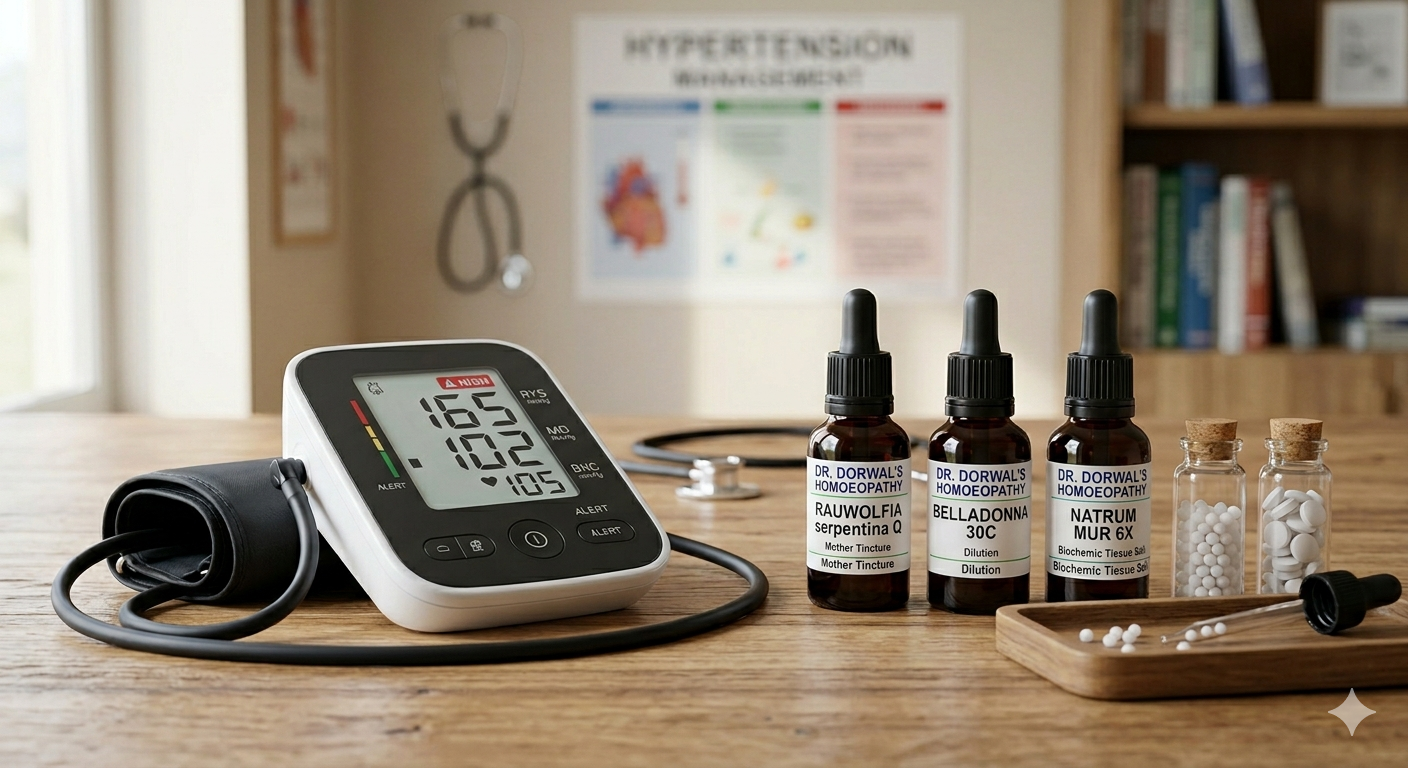
Hypertension, commonly known as high blood pressure, is a global healthcare challenge affecting over 1 billion people. It is defined as abnormally high arterial blood pressure. Blood pressure is measured by two key metrics:
- Systolic Pressure: Arterial pressure when the heart contracts.
- Diastolic Pressure: Arterial pressure when the heart relaxes.
A normal reading is typically around 120/80 mmHg. Hypertension is clinically considered when systolic pressure exceeds 140 mmHg, diastolic pressure exceeds 90 mmHg, or the sum equals or exceeds 190 mmHg.
Signs and Symptoms
Hypertension is often called the “silent killer” because many patients remain asymptomatic even with significantly elevated blood pressure. However, when symptoms manifest, they may include:
- Cardiovascular and Respiratory: Patients often report chest pain and shortness of breath. Irregular heartbeats (palpitations) are also frequently noted.
- Neurological: Common neurological symptoms include persistent headaches, dizziness, and blurred vision.
- Systemic and Physical: Patients may experience general fatigue and nausea.
- Specific Clinical Indicators: In more advanced stages, clinical signs such as nosebleeds (epistaxis), pedal edema (swelling of the feet), and the presence of blood in the urine (hematuria) may be observed.
Etiology: Why Hypertension Occurs?
Hypertension is categorized into two types based on its origin:
1. Primary (Essential) Hypertension (~90% of cases)
In the vast majority of cases, the specific cause is unknown. Key contributing factors include:
- Family History: Genetic predisposition and inherited traits.
- Age and Sex: More prevalent in males and individuals aged 50–60 years.
- Lifestyle: Obesity, smoking, and excessive alcohol consumption.
- Atherosclerosis: Plaque buildup in the arteries, particularly common in older adults.
2. Secondary Hypertension (~10% of cases)
These cases arise from identifiable medical conditions, such as:
- Renal Disorders: Conditions like renal artery stenosis or chronic glomerulonephritis.
- Endocrine Issues: Cushing’s syndrome, hyperparathyroidism, and metabolic syndromes.
- Other Factors: Obstructive sleep apnea, aortic coarctation, pregnancy (pre-eclampsia), and the use of certain medications (e.g., steroids, oral contraceptives).
Who is at Risk?
Clinical data indicates that several lifestyle and health factors significantly contribute in the probability of developing hypertension:
- Tobacco Use: Smokers face a much higher prevalence of high blood pressure and associated digestive and respiratory disorders compared to non-smokers.
- Alcohol Consumption: Heavy alcohol intake is strongly linked to increased risks of cardiovascular disorders.
- Obesity: Individuals with a Body Mass Index (BMI) exceeding 30 are at higher risk due to cholesterol deposition in the arteries.
- Diabetes: Diabetic patients are more prone to arterial pressure elevation due to chronic fluctuations in blood sugar levels.
- Lifestyle Factors: High-stress environments, poor diet, dyslipidemia (imbalanced cholesterol levels), and abdominal obesity are recognized as major contributing factors.
Complications of Advanced Hypertension
When hypertension remains uncontrolled for extended periods, it can lead to severe, life-threatening crises:
- Stroke: Increased arterial pressure can lead to the rupture or blockage of blood vessels in the brain.
- Heart Failure and Heart Attack: Chronic hypertension causes atherosclerosis (hardening and thickening of the arteries) and forces the heart to work harder, which may lead to heart failure.
- Aneurysm: This condition involves the weakening and bulging of an artery, which can result in fatal internal bleeding or stroke.
- Renal Failure: Since the kidneys play a primary role in regulating blood pressure, excessive, long-term pressure can cause organ failure.
- Additional Damage: Advanced cases may also lead to hypertensive retinopathy (eye damage), peripheral arterial disease, and dementia.
How Hypertension is Diagnosed?
A clinical physical examination focuses on documenting accurate blood pressure readings, excluding secondary causes, and assessing end-organ damage. Doctors typically recommend the following diagnostic investigations:
- Blood Tests: These are essential to rule out underlying causes such as diabetes mellitus, thyroid dysfunction, and renal issues.
- CT Scan or MRI: These imaging techniques are used to detect tumors or arterial blockages.
- Electrocardiogram (ECG): This records the electrical activity of the heart to evaluate heart rate and rhythm.
- Echocardiogram: This diagnostic tool provides visual images of the heart valves and muscles, allowing doctors to assess the heart’s functional status.
Management and Treatment Approaches
1. Conventional Treatment Approach
Modern medicine utilizes several pharmacological interventions to manage hypertension:
- Diuretics: These increase urine output to eliminate excess fluid, thereby decreasing cardiac output and blood pressure.
- Beta-blockers: These reduce the effects of adrenaline to lower cardiac output via negative inotropic and chronotropic actions.
- Calcium-channel blockers: These inhibit calcium movement in cardiac muscles, promoting vascular relaxation and lowering blood pressure.
- Other Agents: ACE inhibitors, alpha-blockers, and vasodilators are frequently prescribed to manage elevated arterial pressure.
2. Lifestyle Modifications: Diet and Physical Activity
Evidence-based studies emphasize that lifestyle modifications account for up to 15% reduction in cardiovascular events. Modifications include:
- Dietary Approaches to Stop Hypertension (DASH) Diet: This nutritional strategy emphasizes fruits, vegetables, and low-fat dairy while limiting saturated fats, cholesterol, and sodium to effectively lower systolic and diastolic blood pressure.
- Physical Activity: Regular exercise, weight management, smoking cessation, and limiting alcohol intake are essential for long-term control.
3. Holistic Approaches: Yoga and Naturopathy
Beyond conventional and medicinal routes, a holistic lifestyle also offers integrated approach to manage hypertension. Holistic approaches include:
- Yoga: Yoga focuses on nervous system regulation and stress reduction, which can help induce systemic relaxation and assist in managing the psychological triggers of high blood pressure.
- Naturopathy: Naturopathic principles advocate for dietary discipline and stress management to help normalize physiological functions, providing a supportive foundation for those seeking to reduce reliance on stimulants or heavy medication.
4. Homoeopathic Approach
The homoeopathic approach to manage hypertension is rooted in the “principle of similars,” aiming to treat the patient as a whole rather than focusing solely on the elevated blood pressure numbers. Hypertension is a chronic disorder, so homoeopathic management often requires a constitutional and anti-miasmatic approach to address the underlying physiological and emotional dearrangements. Commonly used medicines include:
1. Mother Tinctures (Q)
Mother tinctures are frequently used to initiate treatment or to manage acute, spasmodic symptoms where rapid physiological support is required. Common Mother tinctures include:
- Amylenum nitrosum Q: Acts as a vasodilator to relieve spasmodic constriction of blood vessels.
- Rauwolfia Q: Effective for reducing diastolic pressure, particularly in cases without marked atheromatous changes.
- Allium sativum Q: Acts as a vasodilator and mild diuretic, aiding in blood pressure reduction.
- Passiflora Q: Functions as a nervous relaxant to reduce tension and induce vascular relaxation.
- Spartium scoparium Q: Acts as a diuretic, especially useful in cases of renal hypertension with associated edema.
2. Dilutions (30C, 200C or Higher)
Dilutions are used on the principle of similia to achieve a deeper, curative effect based on the patient’s unique symptom picture. Common medicines include:
- Belladonna: Indicated for sudden, violent onset of symptoms, typically in “full-blooded” individuals with a flushed face.
- Lachesis mutus: Particularly effective for hypertension during the climacteric age; patients often cannot bear tight clothing around the neck.
- Glonoinum: Indicated for throbbing headaches, visible pulsations in the neck vessels, and congestion exacerbated by exertion.
- Strophanthus hispidus: Indicated for hypertension caused by arteriosclerosis, especially when aggravated by emotional stress or tobacco use.
- Aconitum napellus: Used for acute elevations in blood pressure triggered by sudden fear, fright, or intense anxiety.
3. Biochemic Medicines
Biochemic (Tissue Salt) therapy focuses on restoring essential mineral balance within the body’s cells to manage hypertension. These are often used as vital supportive treatments to address systemic mineral deficiencies. These include:
- Ferrum phosphoricum: Often indicated in the early stages of hypertension, especially when there is localized inflammation or a sense of arterial fullness.
- Magnesia phosphorica: A valuable antispasmodic remedy, helpful for reducing nervous tension and relaxing the smooth muscles of the arterial walls.
- Kali muriaticum: Useful when hypertension is associated with fibrin excess or sluggish circulation, helping to improve blood viscosity.
- Calcarea fluorica: Indicated when arterial walls have lost their elasticity (hardening of the arteries), helping to restore the tone of the vascular system.
- Natrum muriaticum: Supports the body in regulating fluid distribution and for managing salt-related hypertension.
Other Medicines: In addition, Lachesis mutus, Phosphorus and many more medicines are also used to manage hypertension.
Dr. Dorwal’s Perspective
In my clinical practice, I view hypertension management as an integrated, holistic journey. I begin with thorough diagnostics—including blood tests, ECG, and echocardiograms—to assess systemic health. I initiate treatment using palliative mother tinctures for acute stabilization, followed by constitutional dilutions and biochemic salts for curative, long-term balance. Simultaneously, I emphasize the DASH diet, daily physical activity, and yoga to regulate the nervous system and achieve lasting physiological normalization.
Conclusion
Hypertension is a leading cause of global mortality, with 90% of cases being primary (unknown cause). Prolonged elevated blood pressure causes severe complications, including stroke, heart failure, and organ damage. While lifestyle modifications—such as the DASH diet and exercise—are effective in early stages, advanced hypertension requires comprehensive medical intervention. Homoeopathy provides a holistic treatment path, based on the “principle of similars” for long-term health. Optimal outcomes depend on combining personalized homoeopathic care with strict lifestyle discipline. If clinical improvement is not achieved, prompt referral to a higher medical center is essential for patient safety.
Disclaimer: This article is for educational purposes only and does not replace professional medical advice. Always consult a qualified physician before starting or altering any treatment for hypertension.
Frequently Asked Questions (FAQs)
Yes, homoeopathy offers a holistic approach to managing hypertension through constitutional remedies, mother tinctures, and biochemic tissue salts based on the patient’s unique symptom profile.
There is no single “best” medicine, as homoeopathy requires individualized selection—such as Rauwolfia, Natrum mur, or Strophanthus—based on the specific underlying cause and symptomatic manifestation.
Yes, Belladonna is indicated for cases of hypertension characterized by a sudden, violent onset, flushed face, throbbing head, and dilated pupils.
Patients should generally avoid non-steroidal anti-inflammatory drugs (NSAIDs), certain decongestants, and oral contraceptives, as these can elevate blood pressure; always consult your physician before use.
A hypertensive crisis, often considered a precursor to stroke-level risk, is typically defined as a blood pressure reading of 180/120 mmHg or higher.
Aerobic activities like brisk walking, cycling, swimming, and structured yoga are highly effective for maintaining healthy blood pressure levels and improving cardiovascular function.
