
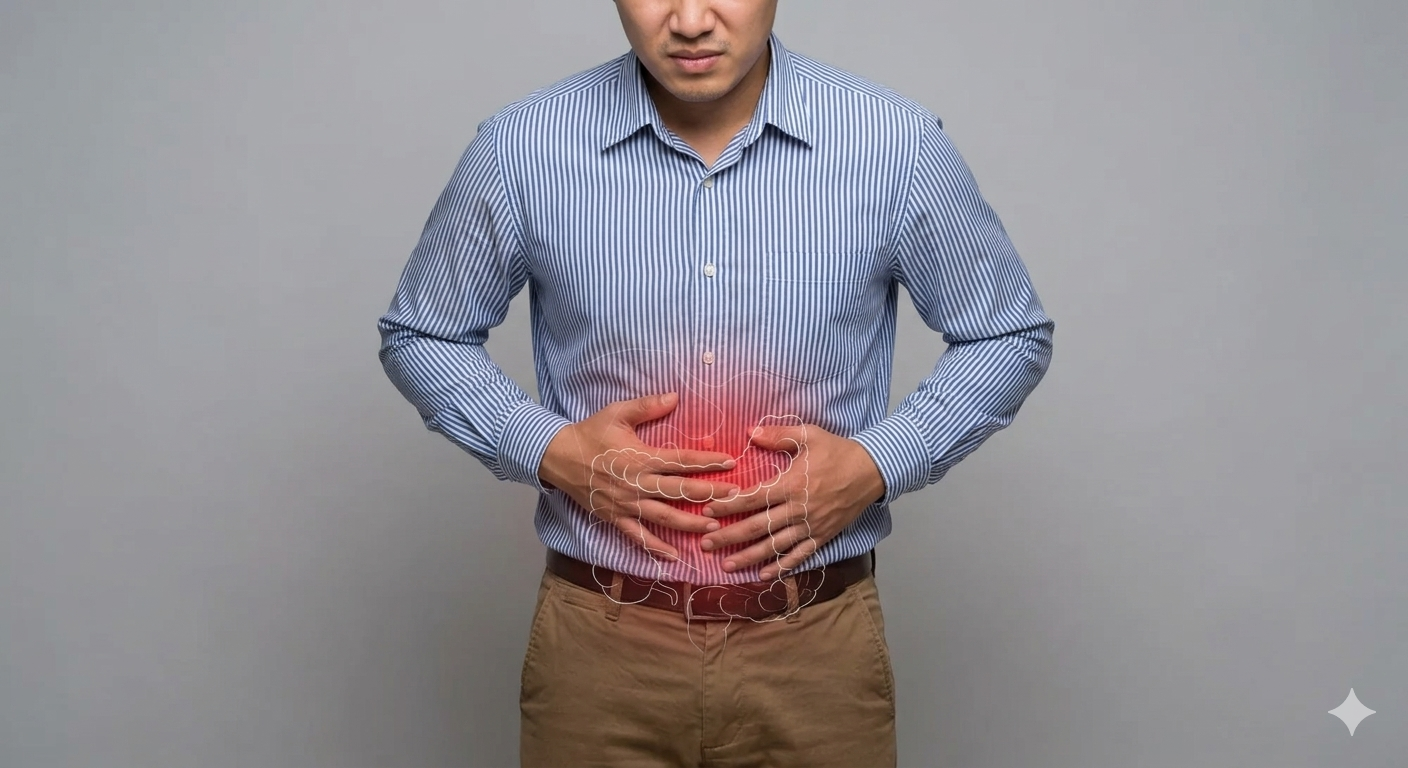
Diarrhoea is a common gastrointestinal disorder that significantly impacts public hygiene and community health. Clinically, diarrhoea occurs due to the failure of the small and large intestines to properly absorb ingested fluids and endogenous secretions (such as salivary, biliary, and pancreatic fluids). This results in the passage of more than 200 grams of loose or liquid stool per day.
According to the World Health Organization (WHO), diarrhoeal diseases are a leading cause of mortality and morbidity globally, particularly in developing nations, contributing to massive health and economic losses annually.
What is Diarrhoea?
Diarrhoea is characterized by the frequent, profuse discharge of intestinal contents in loose, liquid, or watery forms. It is driven by increased intestinal motility (peristalsis), which rushes waste through the digestive tract before the body can absorb necessary water and nutrients.
Common Signs & Symptoms
- Frequent, urgent desire to defecate
- Watery or loose bowel movements
- Abdominal cramps and pain
- Nausea, sometimes accompanied by a headache
- Loss of appetite
- Presence of mucus or blood in stools (in specific inflammatory cases)
- Fever (typically indicating an infectious origin)
Primary Causes of Diarrhoea
- Infections: Caused by the ingestion of food or water contaminated with pathogenic micro-organisms. Common bacterial culprits include Bacillus cereus, Staphylococcus aureus, and Vibrio cholerae. These pathogens produce toxins that trigger acute food poisoning and severe watery diarrhoea.
- Gastrointestinal Disorders: Inflammation of the mucosal lining of the stomach and intestines occurs in conditions like Inflammatory Bowel Disease (IBD) and bowel malignancies. Damage to the absorptive surface area often leads to chronic, sometimes bloody diarrhoea.
- Metabolic and Systemic Disorders: Conditions like Diabetic Ketoacidosis (arising from severe insulin deficiency) or hyperthyroidism can significantly disrupt normal metabolic processes and alter gut motility, leading to regular episodes of diarrhoea.
The Role of Emotions (Psychogenic Diarrhoea)
The gut and the brain are deeply connected. Diarrhoea triggered by emotional factors such as fear, fright, and acute anxiety is known as psychogenic or emotional diarrhoea.
This is frequently observed in students before examinations or individuals experiencing intense nervous tension. In these situations, excessive stimulation of the parasympathetic nervous system excites intestinal motility and triggers excess mucus secretion in the distal colon, resulting in loose stools.
Classification of Diarrhoea
| Type | Duration & Characteristics | Common Causes |
| Acute Diarrhoea | Sudden onset, lasting a few days. | Faecal-oral transmission of bacteria, viruses, or their toxins. |
| Chronic Diarrhoea | Persistent or recurrent, lasting over 4 weeks. | Irritable Bowel Syndrome (IBS), malabsorption syndromes, chronic inflammation. |
Potential Complications
1. Dehydration (Acute or Chronic)
Severe fluid loss depletes the body of water and essential electrolytes. Contrary to common misconceptions, severe dehydration can lead to critical electrolyte imbalances (such as hypernatremia or hyponatremia) and hypovolemic shock. If left untreated, severe acute or chronic dehydration can be fatal.
2. Malabsorption
Prolonged chronic diarrhoea impairs the mucosal lining’s ability to absorb essential macronutrients (fats, proteins, carbohydrates) and micronutrients (vitamins and minerals), leading to progressive weight loss and malnutrition.
Clinical Management and Prevention
Immediate Management
The primary goal in treating acute diarrhoea is fluid and electrolyte replacement.
- Oral Rehydration Salts (ORS): The WHO-formulated ORS solution is the gold standard for replacing established fluid losses, managing ongoing losses, and meeting normal daily requirements.
- Continued Feeding: Nutritional intake should not be stopped; clean, easily digestible food should be continued alongside rehydration.
Preventive Measures
- Hand Hygiene: Thoroughly wash hands with soap and water before meals and after using the restroom.
- Food Safety: Keep food and drinks covered to prevent contamination by vectors like houseflies. Avoid street food and unverified packaged items.
- Safe Drinking Water: Drink boiled, filtered, or purified water.
- Sanitation: Maintain a clean, hygienic environment to suppress microbial growth.
Dietary Adjustments During an Episode
- Increase Fluids: Consume clear broths, coconut water, and ORS to prevent dehydration.
- Eat Potassium-Rich Foods: Bananas and boiled potatoes help restore lost electrolytes.
- Choose Low-Residue, Bland Foods: Lean, simple foods are easier on an inflamed gut. (Note: While high-fibre foods are great for general health, high dietary fibre should be temporarily restricted during acute watery diarrhoea to avoid further stimulating bowel movements).
- Foods to Avoid: Steer clear of greasy, highly spiced, or deep-fried foods. Strictly avoid high-risk items like raw seafood, undercooked meats, unpasteurized milk/juice, and raw eggs.
Pharmacological Treatment Approach
1. Conventional Medical Treatment
Conventional medicine focuses on rapid fluid recovery and targeted symptom relief.
- The Gold Standard (Rehydration): ORS (Oral Rehydration Salts) is the most critical step to replace lost water and electrolytes. If vomiting is severe or dehydration is critical, IV Fluids (Ringer’s Lactate) are required immediately.
- Zinc Supplementation: Zinc Sulfate (20 mg daily for 10–14 days) is standard practice to repair the gut lining and prevent future episodes.
- Symptomatic Relief: Racecadotril (reduces fluid secretion) or Loperamide (slows gut movement). Note: Never use Loperamide if there is a fever or blood in the stool.
- Antibiotics / Antiprotozoals: Ciprofloxacin or Metronidazole are used only if lab tests confirm a bacterial infection or parasites (like amoebic dysentery).
2. Homoeopathic Approach and Medicines (Symptom-Specific)
Homoeopathy does not treat the disease “diarrhoea” with a one-size-fits-all drug; instead, it treats the individual suffering from the condition. A homoeopathic physician selects a remedy by evaluating the Totality of Symptoms, which includes:
- Concomitant Symptoms (e.g., thirst levels, mental state, temperature changes).
- The Exciting Cause (e.g., cold weather, spoiled food, emotional stress).
- The Character of the Stool (e.g., color, consistency, odor, accompanying pain).
Widely used medicines recommended by Homoeopathic Physicians includes:
For Painless, Exhausting Diarrhoea
- China: Copious, watery, very bloating stools with severe physical exhaustion.
- Podophyllum: Gushing, explosive, yellowish-green morning stool that pours out in a torrent.
- Phosphoric Acid: Watery, frequent stools, but surprisingly, the patient does not feel weak or exhausted.
For Severe, Collapsing Diarrhoea
- Veratrum Album: Simultaneous, violent vomiting and purging with a cold sweat on the forehead.
- Arsenicum Album: Small, dark, foul-smelling stools with intense burning in the stomach, severe restlessness, and thirst for small, frequent sips of water.
- Iris Versicolor: Highly acidic, bilious vomiting and purging that causes a fiery burning sensation from the mouth to the anus.
For Emotional & Dietary Triggers
- Gelsemium: Diarrhoea triggered by sudden fear, bad news, or examination anxiety.
- Pulsatilla: Occurs after eating rich, heavy, greasy, or fatty street food.
- Dulcamara: Brought on by a sudden change in weather, especially from dry heat to damp, rainy autumn days.
Note: Other major remedies such as Sulphur, Podophyllum, Apis Mellifica, Aloe Socotrina and many more are also frequently utilized based on the unique totality of symptoms presented by the patient.
🚨 The Golden Rule of Safety
No matter which medical approach you prefer, homoeopathic remedies do not replace lost physical fluids. Always take your remedies alongside aggressive oral rehydration (ORS). If you experience a high fever, blood in the stool, or cannot keep fluids down, seek immediate hospital care.
Conclusion
Severe diarrhoea remains one of the world’s most pervasive public health challenges, but it is entirely manageable when clinical vigilance meets targeted therapeutics. Modern medical science teaches us that patient safety always begins with the fundamentals: aggressive fluid resuscitation via Oral Rehydration Salts (ORS) and strict adherence to personal and environmental hygiene.
Within this management framework, Homoeopathy offers a highly effective, individualized therapeutic approach. By looking beyond the generic diagnosis of “loose motions” and targeting the exact root cause—whether infectious, dietary, environmental, or emotional—homoeopathic remedies stimulate the body’s innate healing mechanism to arrest purging, soothe inflammation, and significantly shorten recovery time without causing secondary complications like rebound constipation.
Ultimately, the most effective approach to diarrhoeal management is an informed and responsible one. By combining the strict hydration standards of conventional medicine, recognizing critical “red flag” warning signs for timely intervention, and utilizing the gentle, symptom-specific precision of Homoeopathy, we can achieve rapid, safe, and holistic clinical recovery.
