
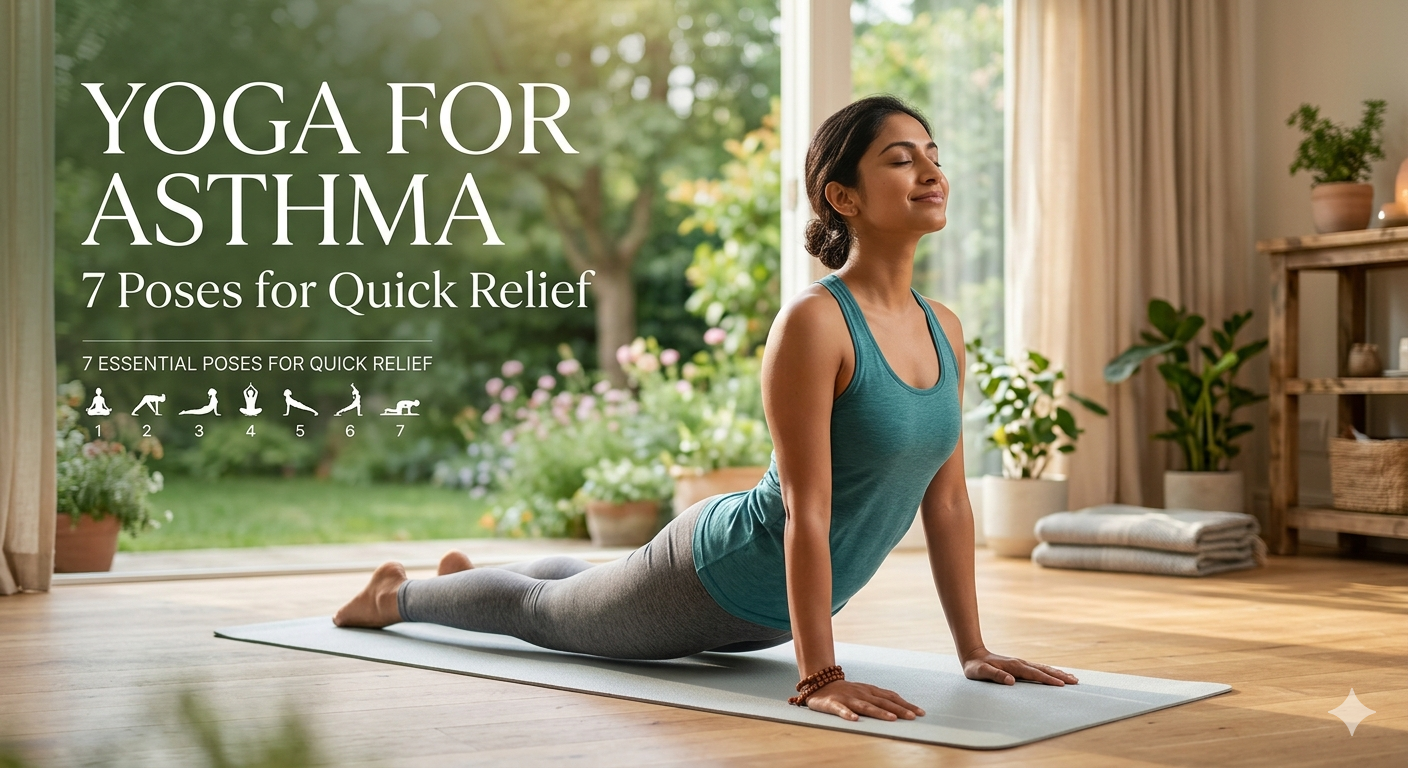
Asthma is one of the most common respiratory disorders, characterized by wheezing, breathlessness, coughing, and chest tightness. Globally, approximately 300 million people suffer from asthma, often seeking cost-effective ways to manage both physical and psychological symptoms.
Holistic approaches such as homoeopathy, naturopathy, and yoga may offer supportive results in managing mild to complex asthma symptoms. Evidence-based research and clinical trials increasingly suggest that yoga is an effective complementary practice in asthma management. Below are the 7 foundational poses you can practice at home to support your respiratory health.
Best 7 Yoga Poses for Asthma Relief
Yoga is a powerful complementary practice that can help to manage both the physical and psychological symptoms of asthma by enhancing lung capacity and reducing stress. Below are seven effective poses to incorporate into your routine.
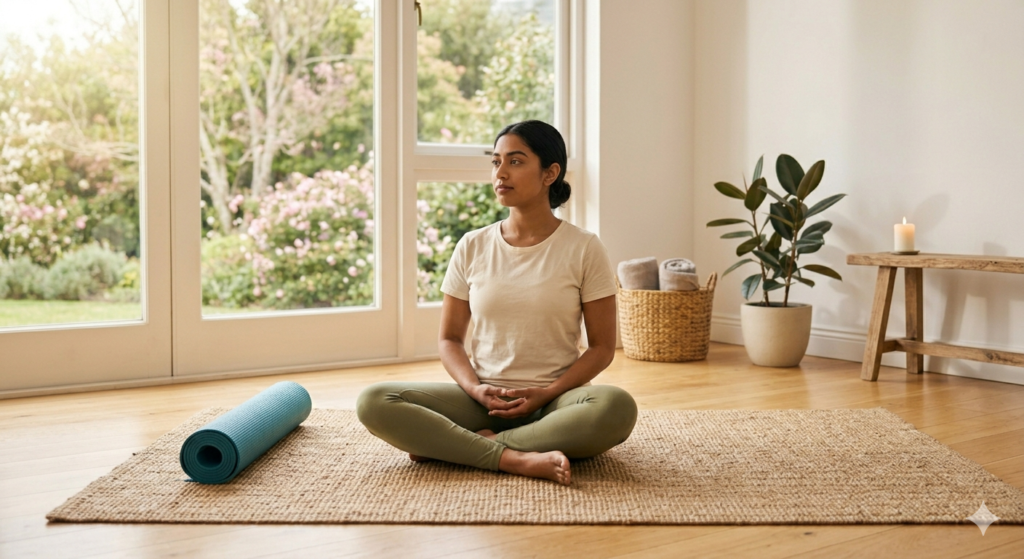
1. Easy Pose (Sukhasana)
This simple, relaxing pose is excellent for improving posture, concentration, and focus. By emphasizing deep, controlled breathing, it significantly improves lung capacity and function while helping to alleviate stress and anxiety.
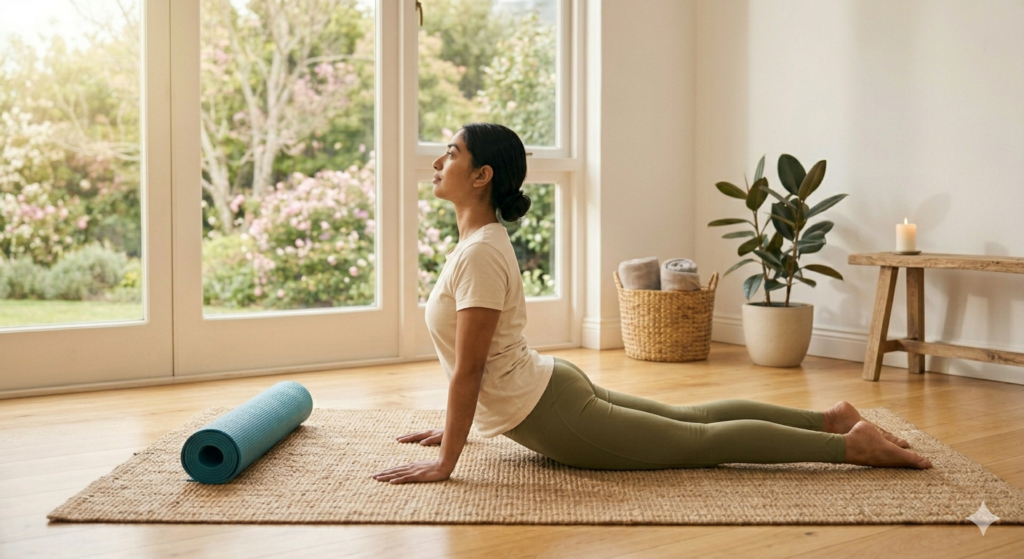
2. Cobra Pose (Bhujangasana)
A key part of the Surya Namaskar sequence, this pose stretches the chest muscles while strengthening the spine, shoulders, neck, and back. It helps open the chest cavity, which enhances heart and lung function, improves blood circulation, and provides relief from fatigue.
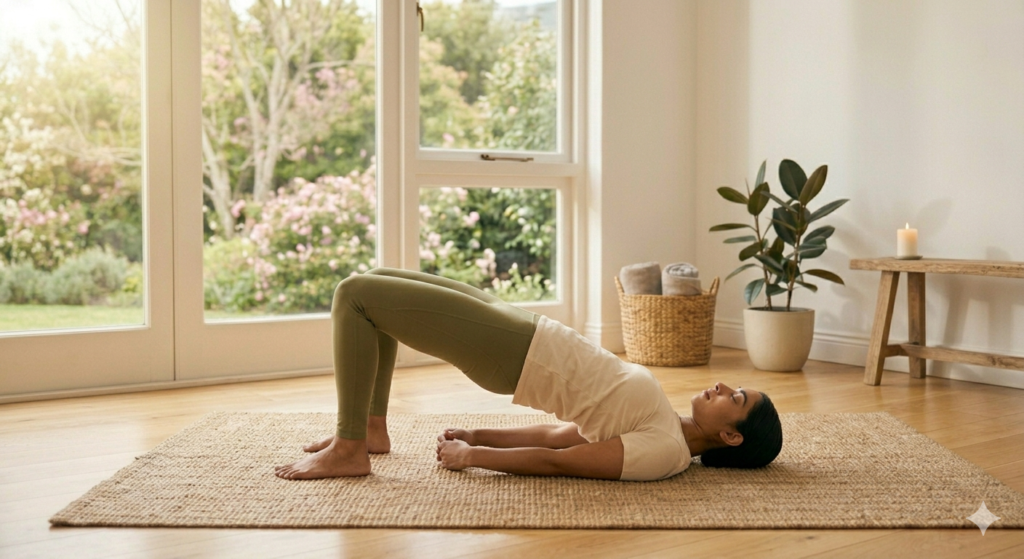
3. Bridge Pose (Setu Bandha Sarvangasana)
The Bridge Pose acts deeply on the chest, back, abdomen, and hip flexors. Its effect on the chest increases lung capacity, while its ability to reduce anxiety and stress helps manage the psychological triggers of asthma.
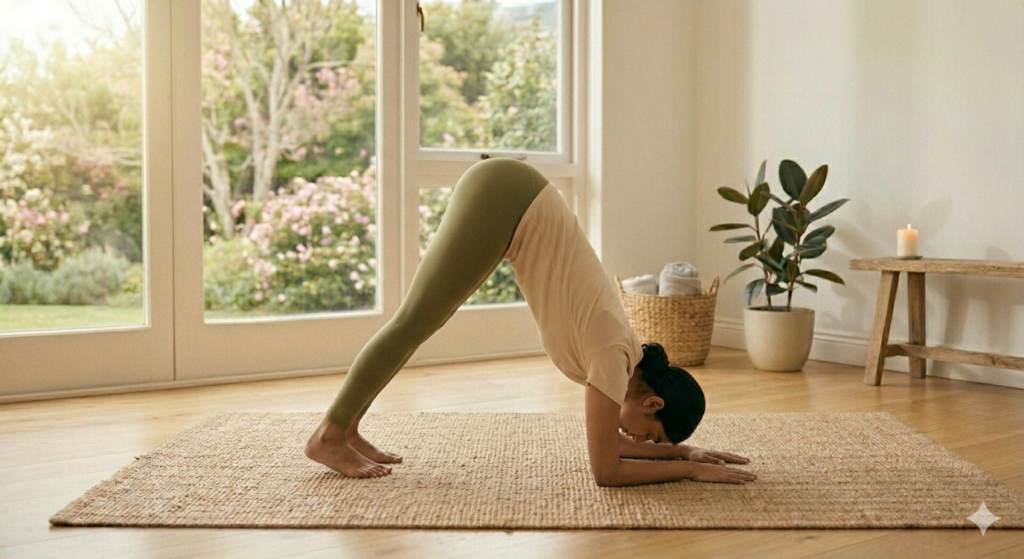
4. Dolphin Pose (Ardha Pincha Mayurasana)
This pose stretches the shoulders, arms, chest, and upper back. By stretching these upper body areas, it improves breath regulation and supports the nervous system, providing both mental and physical benefits for asthma management.
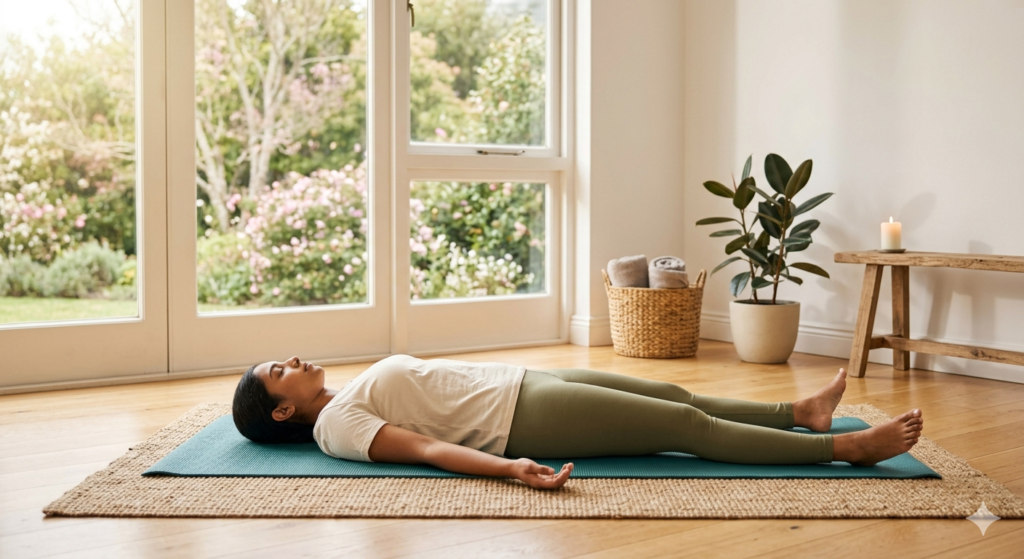
5. Corpse Pose (Shavasana)
As a premier therapeutic pose, Shavasana is ideal for ending your yoga session to refresh the body. It provides deep relaxation, effectively relieving tension, anxiety, and depression—all of which can exacerbate asthma symptoms.
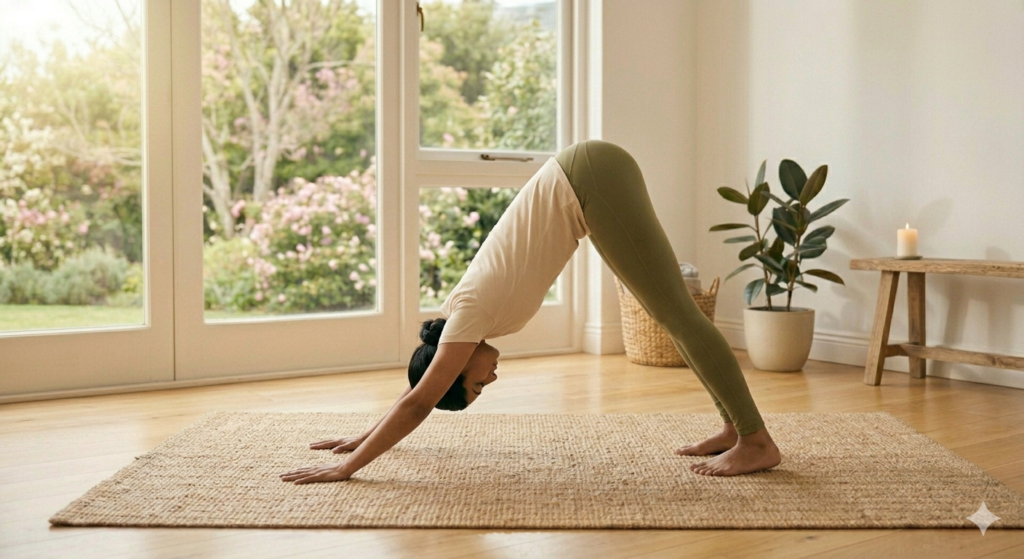
6. Downward Facing Dog Pose (Adho Mukha Svanasana)
This pose is highly recommended for beginners to strengthen the arms, shoulders, and chest. It stimulates the heart and lungs, improves blood circulation, and increases blood flow to the brain, which helps relax the body and ease asthma-related discomfort.
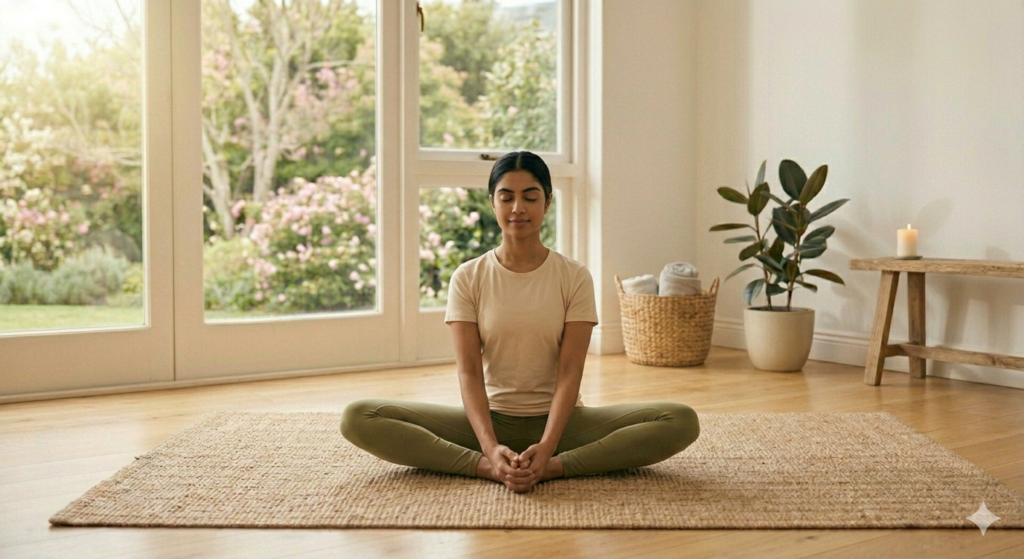
7. Butterfly Pose (Baddha Konasana)
Similar to the Easy Pose, this posture focuses on deep inhalation and exhalation. It stimulates blood circulation and helps alleviate stress, fatigue, and mild depression, all while supporting healthier lung function.
In addition to these poses, consider integrating Alternate Nostril Breathing (Nadi Shodhana) and Skull Shining Breath (Kapalbhati) for further support to respiratory health.
Dr. Dorwal’s Perspective
As a practitioner, I view yoga not as a replacement for pharmacological intervention, but as a vital adjunctive therapy. Asthma is a multifaceted condition where physical airway obstruction often intersects with psychological stressors. By incorporating with these seven postures, we are essentially retraining the diaphragm, improving thoracic compliance, and modulating the autonomic nervous system to dampen the ‘fight-or-flight’ response that frequently exacerbates asthma symptoms. Consistency and mindful breath awareness are the true ‘medication’ here.”
Disclaimer: This content is for educational purposes only and is not a substitute for professional medical advice, diagnosis, or treatment. Always consult your physician before starting any new exercise program, especially if you have asthma. Stop immediately if you experience dizziness, pain, or difficulty breathing.
Frequently Asked Questions (FAQs)
Hatha yoga and restorative yoga styles are generally considered best for asthma. These practices focus on slow, deliberate movements combined with deep, controlled breathing (pranayama), which helps improve lung capacity and reduces the stress that can trigger symptoms.
The 4x4x4 rule is a breathing technique often used to manage anxiety and stabilize breathing patterns. It typically involves inhaling for 4 seconds, holding for 4 seconds, and exhaling for 4 seconds. This rhythmic pattern helps calm the nervous system and can be a useful tool when feeling tightness in the chest or onset stress related to asthma.
For therapeutic benefits, consistency is key. Aim for 20–30 minutes of practice daily or at least 5 days a week. It is important to focus on the quality and steadiness of your breath rather than the intensity of the physical poses.
While not a standard medical term, in the context of respiratory wellness, “2-2-2” often refers to a breathing pacing exercise (e.g., 2 seconds inhale, 2 seconds hold, 2 seconds exhale) designed for those just beginning their journey with breathwork. It helps individuals learn to regulate their breathing cycle without inducing hyperventilation or strain.
