Quick Overview: Petroselinum Sativum is a homoeopathic remedy, commonly used for urinary conditions like UTI or Gonorrhoea, Piles with Marked Itching and digestive symptoms like loss of appetite.
Petroselinum Sativum is a homoeopathic remedy prepared from parsley. Its use is described almost entirely through its action on the urinary tract, which is why it has earned a reputation as a urinary remedy. Homeopaths reach for it when the chief complaint centres on sudden, intense sensations rather than a slow, gradually building infection picture.
What is Petroselinum Sativum used for?
Petroselinum Sativum is indicated for clinical pictures where sudden, intense sensations of itching, burning, and urgency are prominent:
- Urinary & Urethral Support: The remedy is a key therapeutic agent for intense burning and tingling sensations that radiate from the perineum throughout the entire length of the urethra.
- Urgency & Frequency: It is indicated for cases presenting with a sudden, irresistible urge to urinate, often accompanied by frequent, voluptuous tickling in the fossa navicularis.
- Gonorrhoea with Deep Urethral Irritation: Petroselinum is also considered in cases of gonorrhoea where there is deep-seated biting and itching within the urethra, together with a sudden, irresistible desire to urinate and a milky discharge. It is generally used for the acute, sudden-onset phase of the complaint.
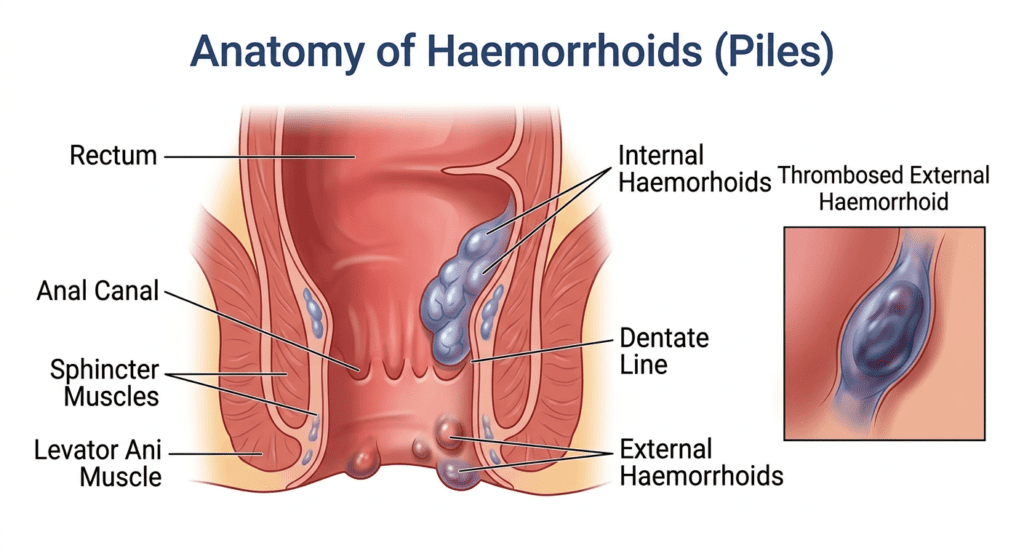
- Anorectal Symptoms: Beyond its urinary applications, it is effective for piles associated with significant itching.
- Gastric Symptomatology: Petroselinum is indicated for loss of appetite: the patient feels genuinely hungry and thirsty, yet the desire to eat or drink disappears the moment they actually begin a meal. When this pattern shows up alongside the urinary complaints described above, it can be a useful confirming clue.
Petroselinum Sativum Dosage: How Is It Taken?
- Classical potency: Early Materia medica sources list the (1X)first to (3X) third potency as the traditional range for Petroselinum.
- Common clinical use: In present-day practice, including at this clinic, the 30C potency is generally the one used for acute urinary complaints.
- Professional guidance: Because the symptoms this remedy addresses — particularly urethral irritation and possible infection — can be intense, it should only be taken under the supervision of a qualified homeopathic physician.
Petroselinum Compared with Related Urinary Remedies
Several remedies are traditionally studied alongside Petroselinum for urinary and gonorrhoeal complaints — among them Cantharis, Sarsaparilla, Cannabis Sativa and Mercurius Solubilis. The table below summarises how each one differs from Petroselinum, to help understand where it fits within this group.
| Remedy | Primary Symptom Picture | How It Differs from Petroselinum |
| Petroselinum Sativum | Sudden, irresistible urge to urinate; burning and tingling running from the perineum along the whole urethra; a peculiar “voluptuous” tickling at the tip (fossa navicularis); gonorrhoea with milky discharge and deep itching/biting in the urethra. | The reference point of this comparison — chosen mainly for the suddenness of onset and the distinctive tickling character of the urgency. |
| Cantharis | Violent, near-constant burning and cutting pain before, during and after urination; frequent urging but only a few drops passed each time. | Cantharis pain is more severe and continuous throughout the act of urination, whereas Petroselinum’s discomfort is more sudden and episodic. |
| Sarsaparilla | Pain and burning concentrated at the very end of urination; gritty or sandy sediment in the urine; often indicated in children. | Sarsaparilla’s pain is localized to the close of urination; Petroselinum’s burning runs the entire length of the urethra from the start. |
| Cannabis Sativa | Burning during urination associated with gonorrhoea; discharge tends to be thick, stringy or gluey. | Cannabis Sativa is selected more for the character of the discharge, while Petroselinum is chosen for the depth and suddenness of the urethral irritation. |
| Mercurius Solubilis | Gonorrhoea with greenish, purulent discharge; burning worse at night; often accompanied by excess salivation and sweating. | Mercurius fits a later, more purulent and constitutional stage of the complaint; Petroselinum is better suited to the acute, sudden-onset phase. |
Dr. Dorwal’s Perspective
In practice, Petroselinum Sativum is a sharp, dependable tool for those acute episodes of urinary distress that need quick attention. It tends to be most useful when a patient describes that unmistakable “suddenness” — an irresistible urge to urinate followed almost immediately by a deep, biting or tickling discomfort in the urethra. It is one of the remedies worth considering when the picture points to localized urethral irritation, such as in gonorrhoea or similar inflammatory states. The unusual digestive keynote — appetite that vanishes at the moment of a meal begins — can also be a helpful signpost when it appears alongside the urinary symptoms. While classical texts favour the lower potencies, the remedy’s ability to calm that peculiar “voluptuous tickling” and burning in the fossa navicularis (a widened, boat-shaped part of the male urethra located inside the head of the penis (glans penis), just before the external opening) remains one of its most valuable clinical uses.
Disclaimer: This content is for informational purposes only. Homoeopathic medicines should be taken under the guidance of a qualified homoeopathic physician. Do not self-medicate for chronic or serious medical conditions, and always seek professional advice for any health concerns.
Frequently Asked Questions (FAQs)
Petroselinum is used mainly for acute urinary complaints — a sudden, irresistible urge to urinate with burning and tingling along the whole urethra and a peculiar tickling sensation at its tip. It is also used for gonorrhoea with deep urethral itching and milky discharge, for piles with marked itching, and occasionally for its characteristic digestive symptom of appetite that fails as soon as eating begins.
The 30C potency is the one most commonly prescribed in present-day clinical practice for Petroselinum. It is generally reached for during acute episodes of sudden urinary urgency with burning and tickling along the urethra, and in urethral symptoms associated with gonorrhoea, always under a qualified homeopath’s guidance.
Petroselinum main benefit is quick relief in sudden, intense urinary discomfort. It is particularly the combination of urgency, burning, and the unusual tickling sensation in the urethra that patients often struggle to describe to a doctor. It is also considered helpful for itchy piles and can support cases of gonorrhoea where the urethral irritation is deep and biting in character.
Yes. It is considered specifically for gonorrhoea cases where there is deep-seated biting and itching within the urethra, a sudden and irresistible urge to urinate, and a milky discharge.
It is not advisable. Petroselinum is used for urinary and urethral symptoms. It is usually indicated in infections that need proper diagnosis. Homoeopathic medicines are highly individualised should be taken only under the supervision of a qualified homoeopathic physician, especially for gonorrhoea or persistent complaints.