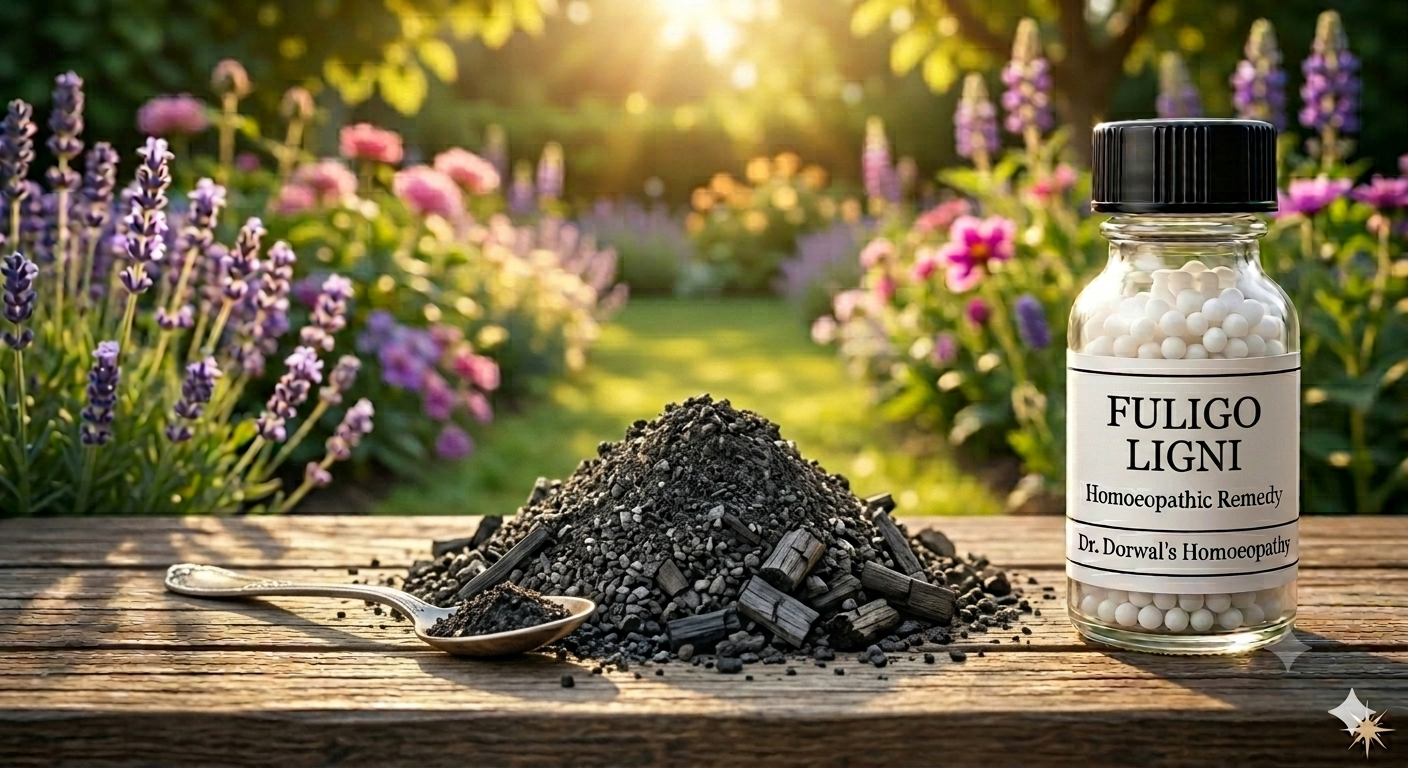
Quick Overview: Fuligo Ligni is one of those lesser-used homoeopathic remedies that quietly does one thing well: softening tissue that has gone hard and stagnant. Practitioners reach for it mainly in long-standing, horny skin eruptions and painless glandular swellings that refuse to budge. Given usually in 30C or 200C, it works slowly, so patience matters more than speed here.
Not every remedy in the homoeopathic materia medica gets talked about often, and Fuligo Ligni is a good example. It comes from something as unremarkable as soot scraped off the inside of a chimney. Its clinical picture is fairly specific — persistent hardness in the skin or glands that just won’t soften on its own. Cases that fit this remedy usually share one trait: things have gone slow, dry and stuck, rather than acute or inflamed.
Below, I laid out where Fuligo Ligni is typically indicated, how its dosing is approached? Since a few readers keep asking how it stacks up against other remedies used for similar hardened, glandular states, So I draw down a side-by-side look at Kreosotum, Silicea and Calcarea Fluorica. The FAQ section at the end also answers some of the more specific potency-related questions that I get about this remedy.
What is Fuligo Ligni used for?
Fuligo Ligni is valued for its specific therapeutic affinity for the skin and glands, and it is clinically indicated for several conditions:
- Skin Manifestations — Chronic skin that has turned thick, horny or scaly, particularly where the eruption sits on a hardened base and hasn’t responded to routine topical care.
- Glandular Disorders — Glands that stay swollen without much pain or inflammation — a picture that can drag on for months if left untreated, and one where Fuligo Ligni is worth considering.
- Growth & Tissue Regulation — Tissue that grows abnormally or thickens where it shouldn’t, which this remedy is thought to help bring back toward a more normal texture and behaviour.
How to take Fuligo Ligni?
- Potency & Dosage: Often prescribed in potencies (such as 30C to 200C) to gently influence the resolution of chronic, hardened tissue states.
- Observation: Because this remedy acts on slow-moving chronic conditions, it is important to observe for any softening of the affected tissues or reduction in the size of glandular swellings over time. Progress in these cases is typically gradual.
How Fuligo Ligni different from Kreosotum, Silicea & Calcarea Fluorica?
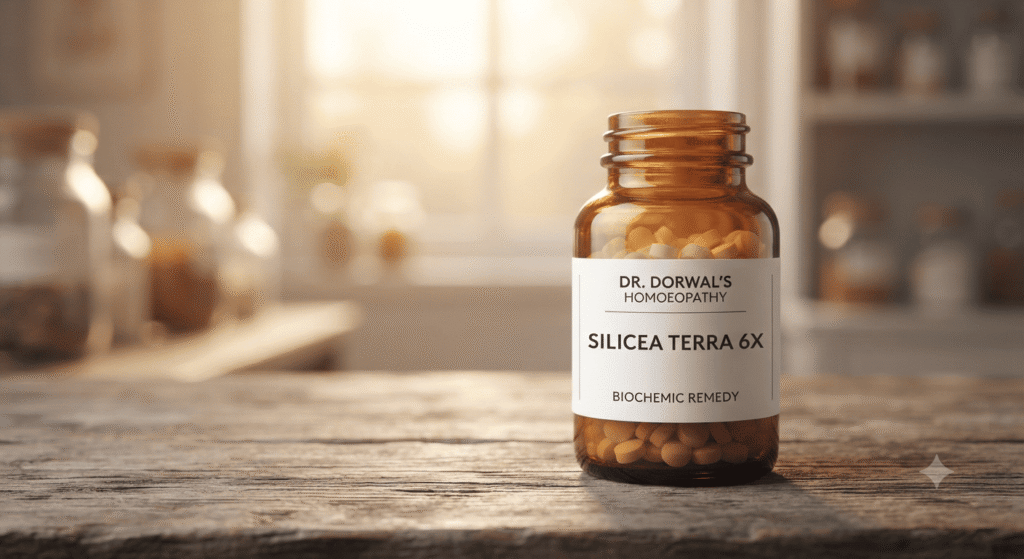
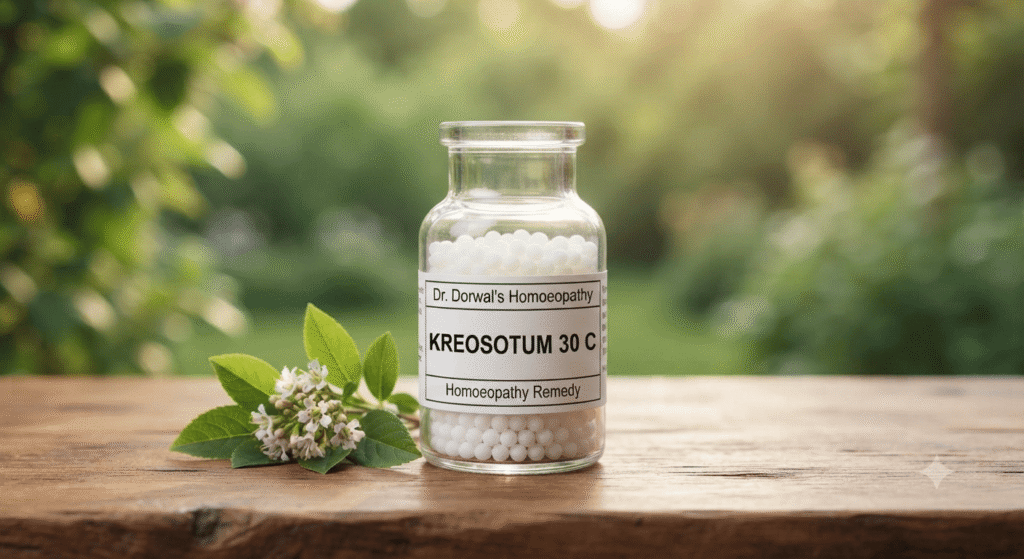
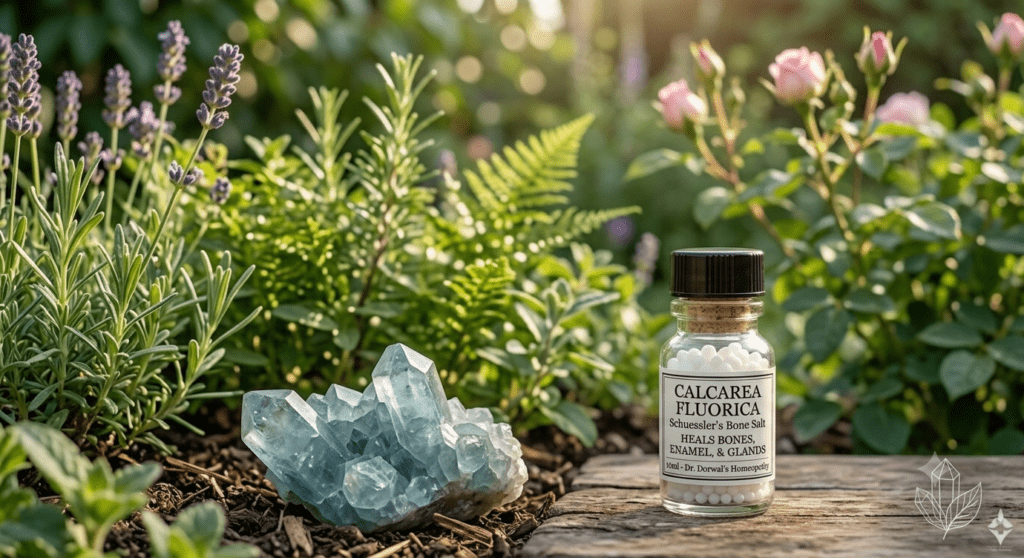
Several remedies get considered when a case involves hardened skin or stubborn glands, and it helps to know where each one differs. Kreosotum leans toward offensive discharge and rapid tissue decay; Silicea is used when suppuration and weak healing are part of the picture; Calcarea Fluorica suits stony-hard, fibrous swellings. The table below sets these apart from Fuligo Ligni at a glance.
| Parameter | Fuligo Ligni | Kreosotum | Silicea | Calcarea Fluorica |
| Source | Chimney / wood soot | Beechwood tar (creosote) | Purified flint / silica | Calcium fluoride |
| Core Affinity | Skin & glandular tissue, induration | Skin, mucous membranes, teeth, female organs | Connective tissue, glands, bones, suppuration | Fibrous tissue, glands, bones, blood vessels |
| Skin Picture | Thick, horny, hard, dry, scaly patches | Itchy, offensive discharge, rapid decay | Unhealthy skin, slow-healing wounds, keloids | Hard, rough, cracked skin with fissures |
| Glandular Feature | Painless, non-inflammatory swelling | Not a leading feature | Glands suppurate, form abscesses, chronic pus | Glands turn stony-hard, indurated, slow to resolve |
| Discharge Pattern | Minimal; hardening dominates picture | Acrid, excoriating, markedly offensive | Thin, offensive pus once suppuration starts | Little discharge; fibrous hardening is key |
| Typical Potency | 30C, 200C for gradual softening | 30C to 200C by acuteness | 6X to 30C, often repeated low potency | 6X to 30C, used over longer duration |
| When It’s Chosen | Stagnant, hardened, slow-resolving tissue | Offensive discharge with rapid destructive change | Weak resistance, recurring suppuration, poor scar healing | Hard, fibrous, stony glandular or bony swellings |
Dr. Dorwal’s Perspective
I’ll be honest — Fuligo Ligni isn’t a remedy I reach for often in day-to-day practice. But it holds a definite place in materia medica for a very specific kind of case: one where the tissue, whether skin or gland, has simply hardened and stopped responding to anything conventional or broadly constitutional. What draws me to it conceptually is the idea of a remedy built purely around reversing induration, almost like nudging tissue out of a pattern it has gotten stuck in. For the right case, patiently selected and matched, that’s a fairly elegant tool to have available.
Disclaimer: This content is for informational purposes only. Homoeopathic medicines should be taken under the guidance of a qualified homoeopathic physician. Do not self-medicate for chronic or serious medical conditions, and always seek professional advice for any health concerns.
Frequently Asked Questions (FAQs)
Mainly, Fuligo Ligni is used for two things — skin that has gone hard, horny or scaly, and glands that stay swollen without any real inflammation. Some practitioners also use it where skin growths seem to be thickening abnormally.
Fuligo Ligni 30C tends to be the opening move in most chronic cases — mild enough to test the remedy’s fit while gently encouraging the indurated tissue to start responding, without overwhelming the case early on.
Once a case is clearly matched to the remedy and has been running long enough that a stronger nudge seems warranted, 200C comes into play. It’s used less often than 30C and generally only under a practitioner’s guidance.
Not really. Its picture is built around slow, chronic hardening, not sudden or fast-spreading infections, so it isn’t the remedy of choice there.
It’s considered where glands are swollen but not inflamed or painful, with the aim of helping that hardened tissue gradually soften and shrink back down.