
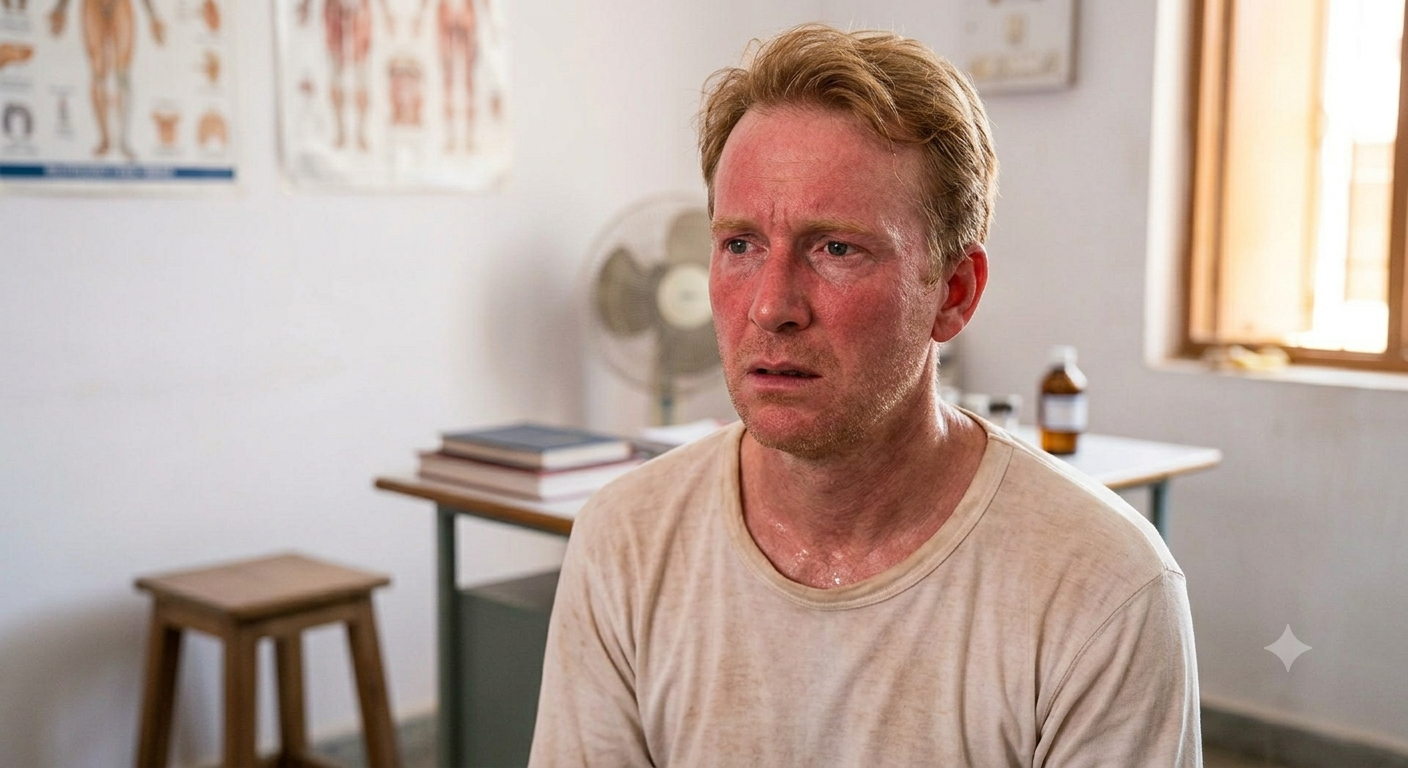
Anhidrosis is the inability or absence of sweating normally from one or more parts of the body. Sweating is a natural phenomenon that maintains the inner temperature of the body by releasing heat from the skin’s surface. Usually, anhidrosis in a small area is not dangerous, but a generalized inability to sweat may result in serious heat-related illnesses, such as overheating and heat stroke. Common signs and symptoms include skin dryness, dizziness, flushing, muscle cramps, overall weakness, and sensitivity to high temperatures. In this article, we look at the causes, risk factors, diagnosis, complications, treatment options, and the homoeopathic approach to treat anhidrosis.
Causes
Abnormal functioning of the sweat glands may cause anhidrosis. Identified causes include:
- Skin damage: Burns, radiation therapy, surgery, trauma, scar formation, and pore-clogging diseases such as psoriasis may damage sweat glands and lead to anhidrosis.
- Nerve damage: Nerve damage due to diseases (diabetes, alcoholism, leprosy), spinal cord alterations, and the overuse of certain drugs (morphine, antipsychotics) can disrupt the function of sweat glands.
- Inherited and congenital disorders: Certain disorders, such as Fabry’s disease and congenital dysplasias, can restrict the development of sweat glands, leading to an inability to sweat and dry skin.
- Others: Dehydration, progressive autoimmune diseases like sclerosis, plugged sweat gland ducts, and bacterial skin infections can also diminish sweat production.
Risk Factors
Several risk factors for anhidrosis include:
- Certain health conditions: Patients with chronic illnesses like diabetes, leprosy, psoriasis, and sclerosis may experience abnormal sweat gland functioning.
- Age: Infants and elderly people are more susceptible to heat stress due to the diminished function of their sweat glands.
- Others: Alcoholism and genetic mutations that affect the development of sweat glands can also cause anhidrosis in some cases.
Complications
Serious cases of the inability to sweat can lead to heat-related problems, including:
- Heat cramps: Studies have concluded that involuntary spasms of larger muscles may occur in some patients who are unable to sweat.
- Heat rashes: Also known as prickly heat or miliaria, these can result from perspiration being trapped under the skin due to blocked pores (sweat ducts).
- Heat exhaustion: A heat-related illness characterized by symptoms such as weakness, dizziness, nausea, and rapid heartbeat after physical exercise.
- Heat stroke: A life-threatening condition defined by the body overheating beyond 40°C (104°F). If not treated immediately, heat stroke may cause loss of consciousness and death.
Diagnosis
Medical history and a physical examination help in suspecting anhidrosis, but certain tests are required to confirm the diagnosis:
- Sweat test: The thermoregulatory sweat test is a low-cost diagnostic test to determine sweating capability. In this test, the skin is coated with a powder that changes color when it comes into contact with sweat.
- Skin biopsy: In this procedure, a small piece of skin tissue is evaluated under a microscope to detect abnormalities of the nerves and sweat glands beneath the skin.
Treatment Options
Doctors provide treatment for anhidrosis based on the underlying etiology and the severity of the disease. Both non-pharmacological and pharmacological treatments are available. Treatment options include:
1. Non-pharmacological Treatment
Patients are advised to follow measures to avoid overheating:
- Stay in cool places and avoid strenuous physical exercise.
- Wear loose, light clothing in warm environments.
- Limit or discontinue drugs that cause abnormal sweat gland function.
- Stay informed about the signs of heat-related illness and keep the body hydrated.
2. Conventional Medical Treatment
In conventional medicine, the focus is on managing the primary disease that caused the anhidrosis. Treatment includes:
- Managing Underlying Conditions: If diabetes or skin disorders like psoriasis are the cause, doctors prescribe specific medications to control these conditions.
- Medication Review: If a specific drug (like an antipsychotic) is triggering the lack of sweat, the doctor may adjust the dosage or switch to an alternative medication.
- Hydration Therapy: In severe cases of heat exhaustion, intravenous (IV) fluids are administered to restore electrolyte balance.
- Physical Cooling Measures: Hospitalization may be required for heat stroke, using cooling blankets or misting sprays to bring the body temperature back to a safe range.
3. Holistic Approaches: Yoga and Naturopathy
Holistic therapies can help improve overall body circulation and support the nervous system, which in turn may aid gland function.
Yoga for Anhidrosis: Yoga focuses on calming the nervous system and improving blood flow to the skin.
- Pranayama (Controlled Breathing): Techniques like Sheetali Pranayama (cooling breath) can help in regulating the body’s internal heat and reducing anxiety-related symptoms.
- Shavasana (Corpse Pose): This helps in relaxing the muscles and reducing the stress on the autonomic nervous system, which controls sweat glands.
- Note: Avoid vigorous yoga or hot yoga (Bikram yoga) if you suffer from anhidrosis, as it can lead to dangerous overheating. Stick to gentle, restorative poses.
Naturopathy Approaches: Naturopathy aims to detoxify the body and restore the skin’s natural ability to breathe.
- Hydrotherapy: Lukewarm water baths or localized wet packs (under expert guidance) can help in improving skin circulation and stimulating dormant pores.
- Dietary Adjustments: A diet rich in water-based fruits (like cucumber, watermelon, and oranges) helps maintain internal hydration. Avoiding spicy, processed, and oily foods is recommended to reduce internal inflammation.
- Skin Brushing: Gentle dry brushing (with a soft natural brush) can help in exfoliating the skin and removing dead cells, which might be clogging the pores.
- Abhyanga (Oil Massage): Gentle massage with natural, cold-pressed oils (like coconut oil) can improve skin texture and reduce dryness, helping the skin remain supple.
4. Homoeopathy Approach
Homoeopathic physicians approach anhidrosis not just as a skin condition, but as a systemic imbalance. The treatment is tailored to the patient’s physical constitution, mental state, and the underlying cause (e.g., nerve damage or metabolic disorder). Commonly used homoeopathy medicines include:
1. Mother Tinctures (Q)
Mother tinctures are often used when the skin is severely dry, rough, or when there is a need to stimulate the skin glands directly.
- Berberis Aquifolium (Q): Widely regarded as a “skin tonic.” It helps in stimulating the sweat glands and improving the nutritional supply to the skin, which is essential when the skin has become scaly or hardened.
- Sarsaparilla Officinalis (Q): Specifically indicated when the skin becomes dry and shriveled, especially after chronic skin diseases. It helps in restoring the natural secretions of the skin.
- Jaborandi (Q): This is perhaps one of the most potent medicines for inducing sweat. In homoeopathy, Jaborandi contains pilocarpine, which has a direct action on the sweat glands, making it a primary choice when there is a total absence of perspiration.
2. Dilutions (Potencies like 30C, 200C, 1M, 10M)
Dilutions are used to address the deeper, constitutional causes of the condition, such as nerve damage or autoimmune interference.
- Alumina: Used for constitutional dryness. It is indicated when there is a profound lack of moisture in the skin and mucous membranes. It is particularly helpful for patients who experience unbearable itching that worsens in the warmth of a bed.
- Nux Moschata: Essential for patients whose skin is extremely dry and who feel a lack of perspiration even during a fever. It acts on the nervous system to balance the body’s thermal regulation.
- Petroleum: Recommended for cases where the skin is thick, hard, and cracks easily. It acts deeply on the sweat and oil glands to soften the skin and restore moisture balance.
- Aconitum Napellus: Often indicated in the initial stages of heat-related illness where the skin is hot, dry, and red, and the patient is in a state of high anxiety or panic.
3. Bio-Chemic Remedies (Tissue Salts)
Bio-chemic medicines act by replenishing mineral deficiencies in the cells, which can be a silent cause of gland malfunction.
- Kali Muriaticum: Useful when the skin is dry, scaly, and there is an associated congestion of the glands. It helps in regulating the salt balance in the tissues.
- Natrum Muriaticum: This is the ultimate “water regulator” of the body. It is indicated for patients with chronic dry skin who also suffer from general weakness and hydration imbalances.
- Calcarea Sulphurica: Recommended when skin conditions (like psoriasis or chronic infections) have caused long-term damage to the skin, preventing normal sweating.
Apart from the medicines mentioned above, experienced homoeopathic physicians may prescribe several other medicines tailored to the patient’s unique health profile, as homoeopathy offers a vast array of medicines that can be customized to treat the underlying cause and individual manifestations of anhidrosis.
Conclusion
Anhidrosis, while often manageable, requires a balanced approach to prevent life-threatening complications like heat stroke. Effective treatment combines conventional medical care to address underlying causes, holistic practices like yoga and naturopathy for systemic support, and personalized homoeopathic therapy. Homoeopathy offers a diverse range of remedies—including Mother Tinctures for stimulation, Dilutions for constitutional healing, and Bio-chemic salts for cellular health—that can be customized to individual needs.
Disclaimer: Information provided in this article is for educational and informational purposes only and is not intended to be a substitute for professional medical advice, diagnosis, or treatment. Always seek the advice of your physician or other qualified health provider with any questions you may have regarding a medical condition.
Frequently Asked Questions (FAQs)
Anhidrosis is a medical condition in which your sweat glands fail to function properly, resulting in an inability to sweat. This prevents the body from cooling itself down, which can be dangerous.
The main symptoms include little or no sweating, dizziness, muscle cramps, weakness, flushing of the skin, and a rapid increase in body temperature during physical activity.
Yes, homoeopathy can be highly effective as it focuses on stimulating the sweat glands naturally and correcting the underlying systemic imbalances based on an individual’s unique symptom profile.
Patients should avoid overexertion in hot environments, stay well-hydrated, wear lightweight and breathable clothing, and utilize cooling measures to prevent overheating.
Yes, because sweating is the body’s primary mechanism for thermoregulation, the inability to sweat can lead to heat exhaustion and life-threatening heat stroke. Therefore, seeking professional medical advice is essential.
