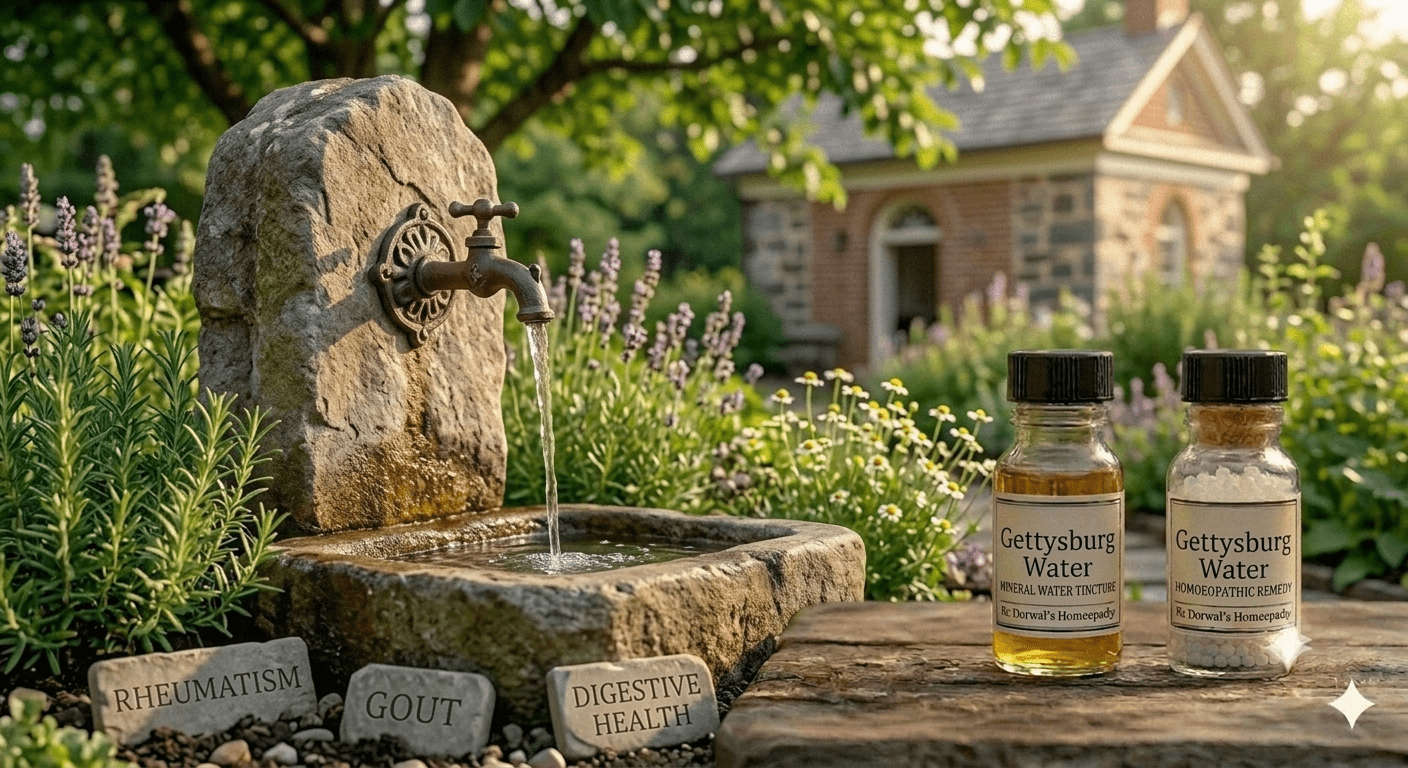
Quick Overview: Gettysburg Water is a mineral spring water remedy, historically valued for chronic digestive complaints, gout and rheumatic conditions, and as a general “blood purifier.”
Gettysburg Water, historically known as Gettysburg Katalysine Water, was a significant homoeopathic and mineral water remedy sourced from springs located at the site of the famous Civil War battlefield in Gettysburg, Pennsylvania. Traditionally, it is use for gout and uric acid-related complaints. In the late 19th and early 20th centuries it is widely used in treating chronic digestive and systemic ailments.
What is Gettysburg Water used for?
Historically, Gettysburg Water was valued for the following uses:
- Chronic Digestive Disorders: It was widely sought after for chronic dyspepsia, gastric catarrh, and what was then called “acid stomach” — complaints understood at the time as excess digestive acidity that the water’s alkalinising action was believed to help neutralise.
- Rheumatic & Gouty Conditions: It is frequently prescribed for gout, rheumatism, and rheumatic arthritis, under the belief that it assisted in dissolving and eliminating uric acid deposits from the joints and tissues.
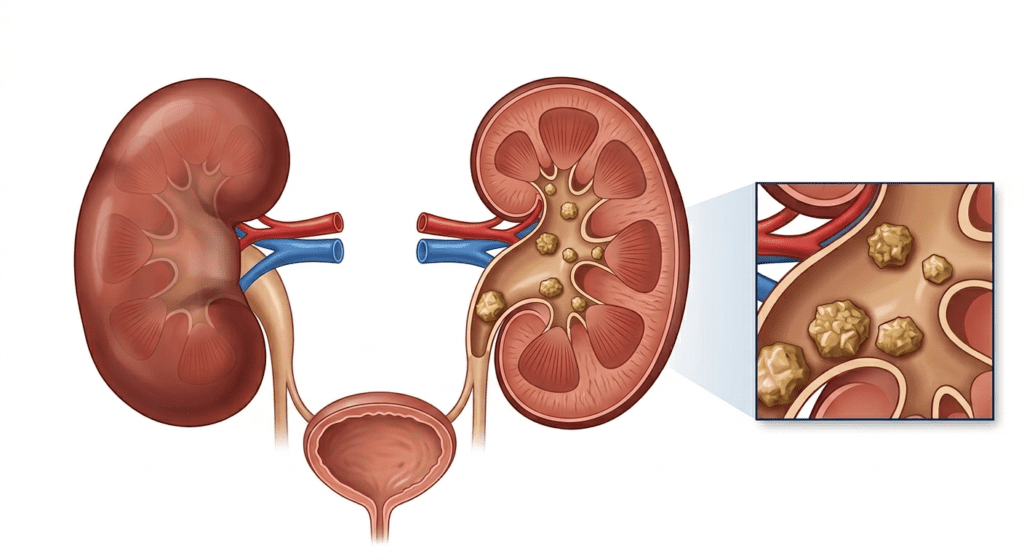
- Renal & Urinary Health: It was considered beneficial for kidney and bladder affections, including the reduction of gravel or stone formation, by promoting a more balanced urinary pH.
- Systemic Detoxification: In the broader alterative tradition of 19th-century medicine, it was used as a general system cleanser — believed to assist in clearing metabolic waste products and improving overall vigour, in keeping with how mineral spring waters were commonly understood at the time.
Gettysburg Water Dosage: How Was It Taken?
- Traditional Use: The water was typically consumed in specific volumes daily, often on an empty stomach, based on the belief that this maximised its alkalinising and absorptive effect.
- Historical Homoeopathic Context: Beyond direct consumption, its mineral profile was sometimes incorporated into broader homoeopathic thinking as a restorative influence on the body’s self-regulatory processes.
- Modern Context: Gettysburg Water is not part of standard contemporary homoeopathic prescribing — it survives today mainly as a historical reference point rather than an actively used remedy, and its practical availability is very limited.
How It Differs From Similar Remedies?
| Remedy | Key Distinguishing Feature |
| Gettysburg Water | Historical mineral-water remedy for gout, chronic dyspepsia, and systemic alkalinisation, owing largely to its lithium content |
| Lithium Carbonicum | The modern homoeopathic remedy prepared specifically from lithium carbonate, sharing Gettysburg Water’s traditional gout/uric acid connection in a standardised, potentised form |
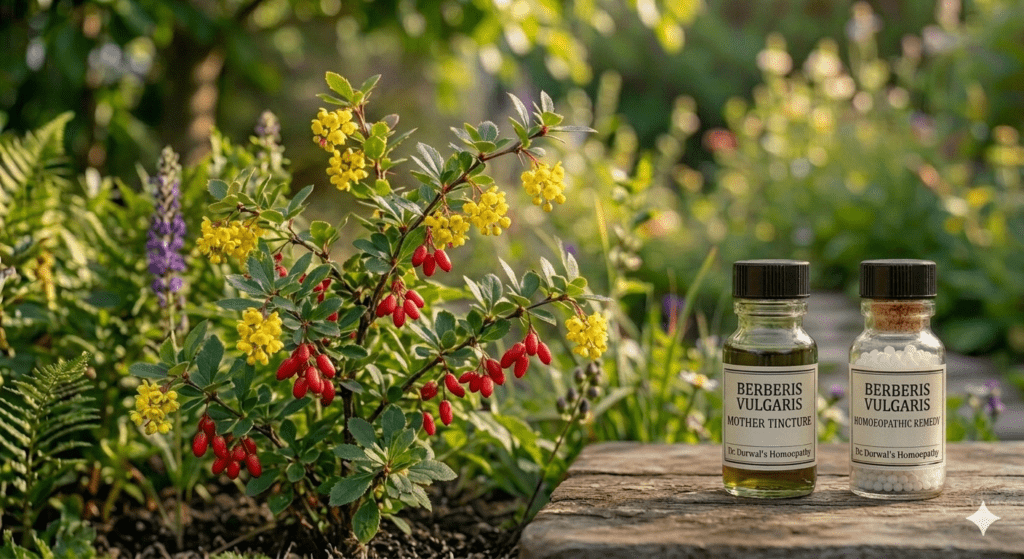
| Berberis Vulgaris | Kidney and urinary complaints with a characteristic radiating pain from the kidney region, alongside rheumatic and gouty joint involvement |
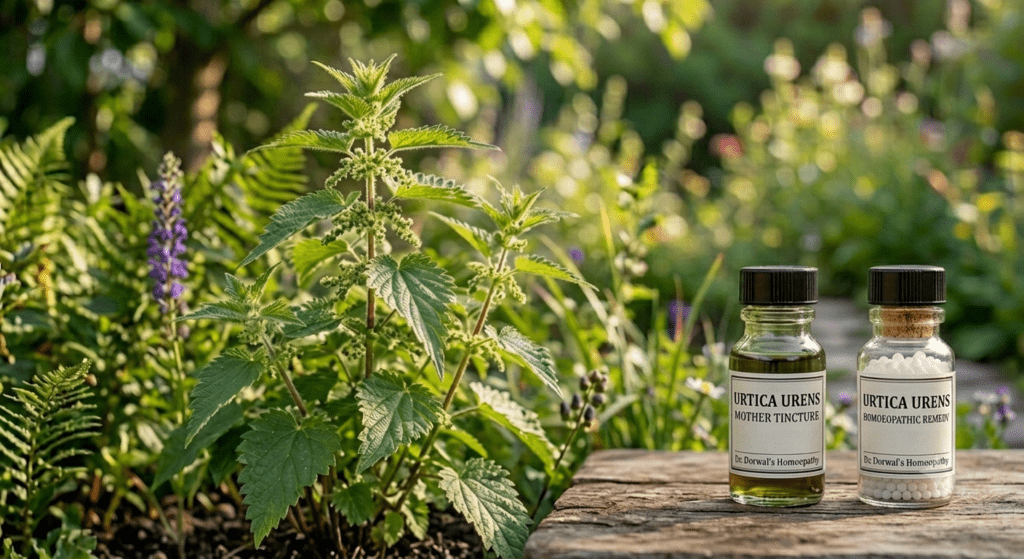
| Urtica Urens | A well-established remedy for gout and uric acid diathesis, with a particular association with skin eruptions and stinging pain |
Dr. Dorwal’s Perspective
Gettysburg Water is best understood today as a piece of homoeopathic and medical history rather than a remedy in active use. The original springs and the commercial operation around them are long gone, and it isn’t something a contemporary practitioner would realistically prescribe. What it does offer is a useful window into how 19th-century medicine thought about internal alkalinity, uric acid, and “systemic cleansing”. In modern practice, I well-documented constitutional remedies like Lithium Carbonicum, Berberis Vulgaris, or Urtica Urens, are chosen based on the individual case, alongside diet and lifestyle changes for chronic joint stiffness and digestive acidity.
Disclaimer: This content is for informational purposes only. Homoeopathic medicines and mineral water therapies should be used under the guidance of a qualified homoeopathic physician. Do not self-medicate for chronic or serious medical conditions, and always seek professional advice for any health concerns.
Frequently Asked Questions (FAQs)
It is a historic mineral spring water remedy, also known as Katalysine Water, sourced from springs on the Gettysburg battlefield and historically valued for digestive and metabolic complaints.
Historically, yes — it was widely used based on the belief that its lithium content helped neutralise and clear uric acid, a key factor in gouty inflammation and discomfort.
The original commercial springs and bottling operation are long closed. Its relevance today is largely one of historical medical interest rather than a remedy in common modern practice.
Modern homoeopathic potencies of Gettysburg Water are not part of standard contemporary prescribing; historically, the water itself (rather than a potentised form) was consumed directly for the digestive, gouty, and urinary indications described above.
It was a natural mineral spring water reported to contain lithium salts along with other minerals, which is what gave it its traditional “litha water” branding and its historical association with gout treatment.