
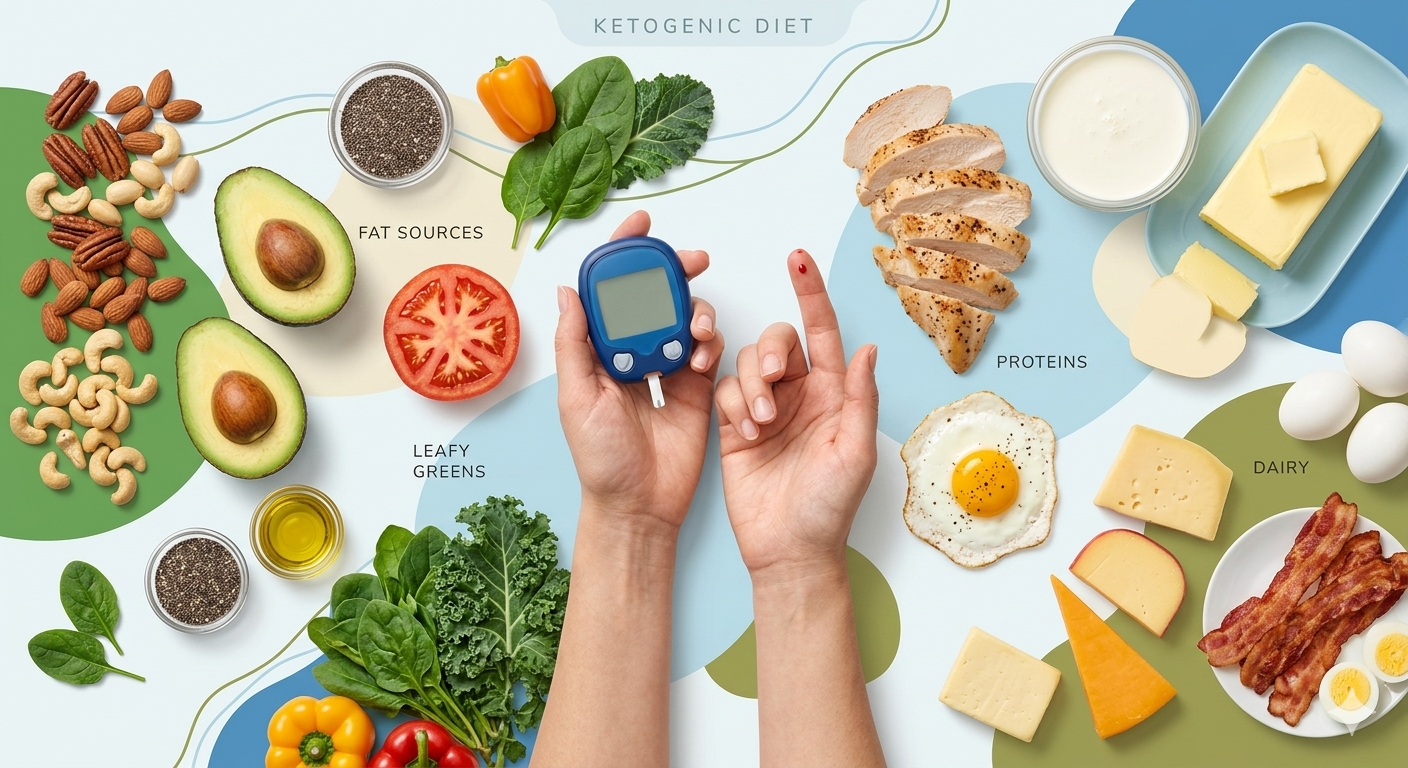
The ketogenic (keto) diet is a high-fat, moderate-protein, and low-carbohydrate dietary approach that has gained significant attention among patients and clinicians. While it has shown satisfying results for obesity—a condition often linked to diabetes, hypertension, and heart disease—the question remains: Is it truly safe and effective for diabetes management?
Understanding the Keto Diet
The keto diet is a specialized approach that strictly restricts carbohydrate intake to less than 50 grams per day. The typical dietary breakdown is:
- Fats: 55–60%
- Proteins: 30–35%
- Carbohydrates: 5–10%
The diet emphasizes the consumption of fats and proteins found in meat, poultry, seafood, dairy, eggs, nuts, and seeds. Originally developed to treat epilepsy, its therapeutic potential is now being evaluated for obesity and metabolic disorders.
Mechanism of Action: How Ketosis Works?
Normally, the body derives energy from glucose; however, the keto diet restricts carbohydrate intake, making glucose reserves insufficient. This forces the body into a physiological state called “ketosis,” where it uses ketone bodies derived from fat breakdown as an alternative fuel source. This process effectively leads to weight loss, improved insulin sensitivity, optimized cholesterol levels, and reduced blood sugar levels.
The Keto Diet and Diabetes Management
Diabetes is a metabolic condition defined by elevated blood sugar resulting from the body’s inability to secrete or utilize insulin correctly. Scientific evidence suggests that carbohydrate restriction in a keto diet has the potential to lower blood sugar levels in patients with type 2 diabetes. By switching the body to a ketogenic state, insulin levels may drop and insulin sensitivity may improve, potentially reducing the patient’s reliance on diabetes medications.
Potential Dangers and Side Effects
Adopting a keto regimen is not without risks, and patients should be aware of the following:
- Keto Flu: Within two to five days of starting the diet, individuals may experience symptoms such as headache, irritability, nausea, weakness, muscle cramps, stomach pain, and poor concentration, ranging from mild to severe.
- Kidney Stress: High protein intake increases the load on the kidneys, which may cause intraglomerular hypertension (high blood pressure in the kidneys) and an increased risk of kidney stones.
- Digestive Issues: The restriction of high-carb, fiber-rich foods frequently leads to constipation.
- Nutrient Deficiencies: Because the diet restricts many fruits, vegetables, and grains, it may lead to a lack of essential micronutrients and vitamins.
- Additional Risks: Other concerns include dangerously low blood sugar (hypoglycemia), reduced bone mineral density, and an increased risk of heart-related conditions.
Dr. Dorwal’s Perspective
While the ketogenic diet can acutely lower blood sugar, I advise caution due to its potential for long-term metabolic complications and nutritional gaps. In my clinical practice, I prioritize a sustainable, balanced diet over restrictive protocols, as the risks of kidney strain, nutrient deficiency, and cardiovascular impact often outweigh the benefits for diabetic patients.
Disclaimer: This article is for informational purposes only and does not constitute medical advice, diagnosis, or treatment. Always consult a physician or healthcare professional before making significant changes to your diet or starting a new nutrition regimen, especially when managing pre-existing conditions like diabetes. Discontinue any diet plan if you experience adverse effects.
Frequently Asked Questions (FAQs)
No, I do not recommend the keto diet as a targeted management regimen for diabetes due to the lack of long-term studies and its significant risk profile. While some studies show short-term blood sugar improvements, the long-term clinical data is controversial and often problematic.
Patients frequently report “keto flu,” characterized by headaches, irritability, nausea, weakness, muscle cramps, and poor concentration. Constipation is also common due to the significant restriction of fiber-rich, high-carb foods.
High protein intake can increase the physiological load on the kidneys. In my clinical experience, this can contribute to intraglomerular hypertension and a higher risk of developing kidney stones.
Yes, by severely restricting grains, fruits, and vegetables, the diet often prevents patients from obtaining essential micronutrients and vitamins, potentially leading to deficiencies.
I prioritize a sustainable, balanced diet over restrictive protocols. A diet rich in low-sugar fruits and vegetables is generally more effective and safer for long-term diabetes control than the ketogenic approach. Always consult with me to develop a personalized, safe plan tailored to your health needs.
