
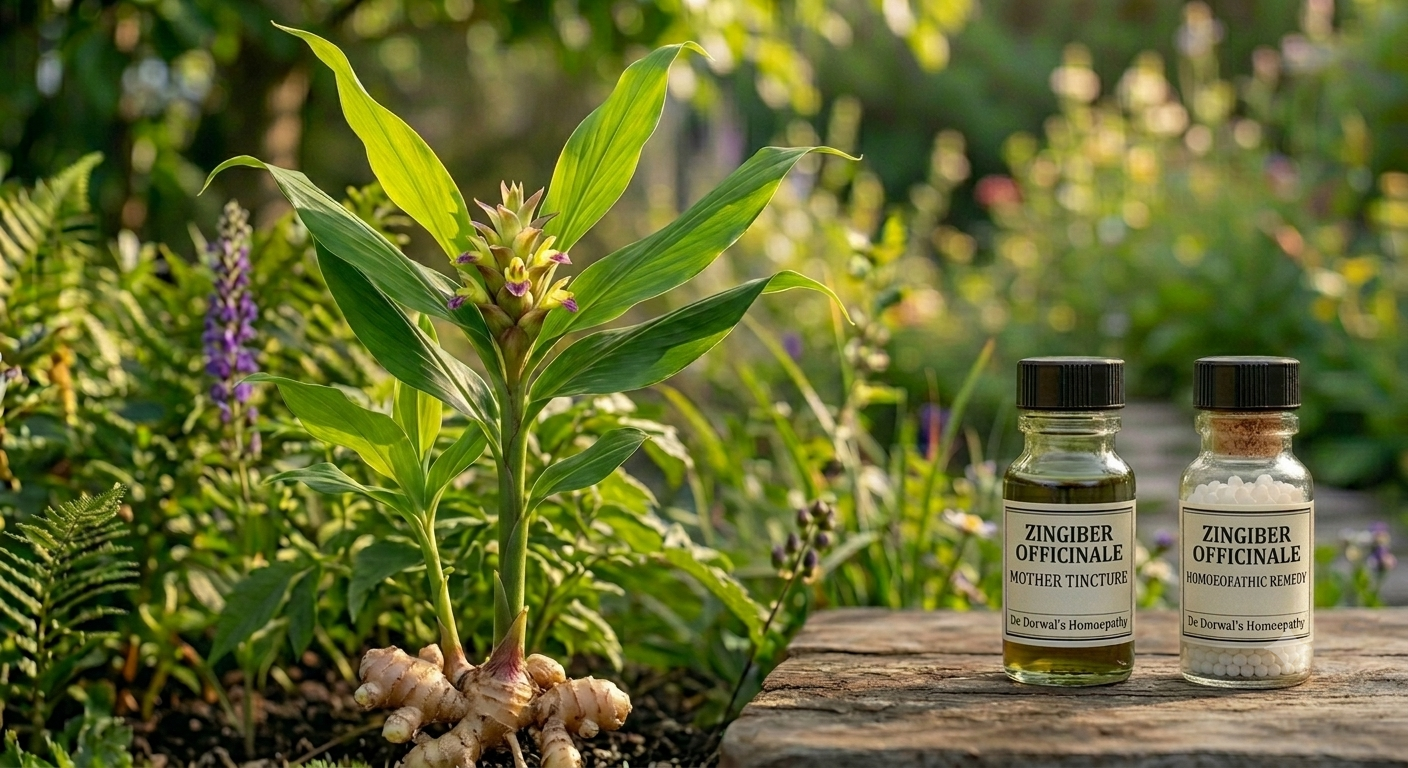
Zingiber Officinale (Ginger) is a vital remedy for restoring rhythm and function to congested systems. While its culinary use is universal, its clinical application is far more profound: it serves as a robust catalyst for the gastrointestinal and respiratory tracts. In my practice, I utilize Zingiber whenever a patient’s physiological processes appear “sluggish”—whether the digestion has stalled following a heavy meal or the respiratory system is overwhelmed by thick, obstructive secretions.
Key Clinical Indications
Zingiber is frequently employed in the management of:
- Functional Dyspepsia & Gastritis: Indicated for “lazy stomach” syndrome, characterized by profound heaviness, bloating, and nausea immediately following a meal. It is particularly effective when the patient experiences significant epigastric discomfort that mimics chronic gastritis.
- Chronic Bronchitis: This is a primary remedy when the clinical diagnosis involves productive, rattling coughs. It excels in clearing thick, tenacious mucus that is difficult to expectorate, often alleviating the chest oppression associated with bronchitic episodes.
- Asthmatic Conditions: It serves as a supportive intervention in cases of bronchial asthma, especially when symptoms manifest as labored breathing in the early morning hours, compounded by excessive mucous production.
- Irritable Bowel Syndrome (IBS-C): When the patient’s primary complaint is a sluggish bowel with gas, distension, and a feeling of incomplete evacuation, Zingiber acts to stimulate proper peristalsis.
- Post-Operative Ileus: In controlled clinical settings, it is sometimes considered for the resumption of normal bowel motility following abdominal surgery.
Administration & Therapeutic Modalities
- Potency & Dosage: Zingiber is commonly prescribed in lower potencies (30C) or as a Mother Tincture (Q) to facilitate rapid relief. As it is a warming, stimulatory remedy, frequent small doses are often effective during acute digestive or respiratory flare-ups.
- Formulation: It is most effectively dispensed in liquid dilutions or medicated globules. Given its targeted action on the gastric mucosa, I often recommend administration 15–20 minutes prior to meals to optimize its effect on chronic digestive atony.
Dr. Dorwal’s Perspective
In my clinical practice, I view Zingiber Officinale as the ultimate ‘internal spark’ for a stagnant system. I rely on it heavily for patients struggling with post-prandial digestive sluggishness—that heavy, bloated feeling that makes it impossible for them to focus or feel comfortable. Beyond digestion, I use it frequently to break up thick, rattling chest congestion in cases of bronchitis. It is not just about suppressing symptoms; it is about restoring the body’s natural motility. When a patient’s digestion or respiratory system feels ‘stuck’ and unproductive, Zingiber acts as a warm, reliable catalyst to get things moving again.
Disclaimer: This content is for informational purposes only. Homoeopathic medicines should be taken under the guidance of a qualified homoeopathic physician. Do not self-medicate for chronic or serious medical conditions, and always seek professional advice for any health concerns.
Frequently Asked Questions (FAQs)
It is primarily known for treating acute digestive complaints like bloating, nausea, and gas, as well as clearing thick, rattling mucus from the respiratory tract.
Yes, it is highly effective for chronic digestive atony (a “lazy” stomach) where the patient feels weighed down after eating.
Zingiber is better suited for a “productive” or rattling cough with thick, difficult mucus rather than a dry, irritated cough.
Yes. While raw ginger acts primarily as a nutritional supplement or mild digestive aid, the homoeopathic preparation of Zingiber Officinale is processed and potentized to work on a deeper, systemic level. It is used to stimulate the body’s own self-healing mechanisms for specific clinical symptoms rather than providing mere symptomatic relief.
