
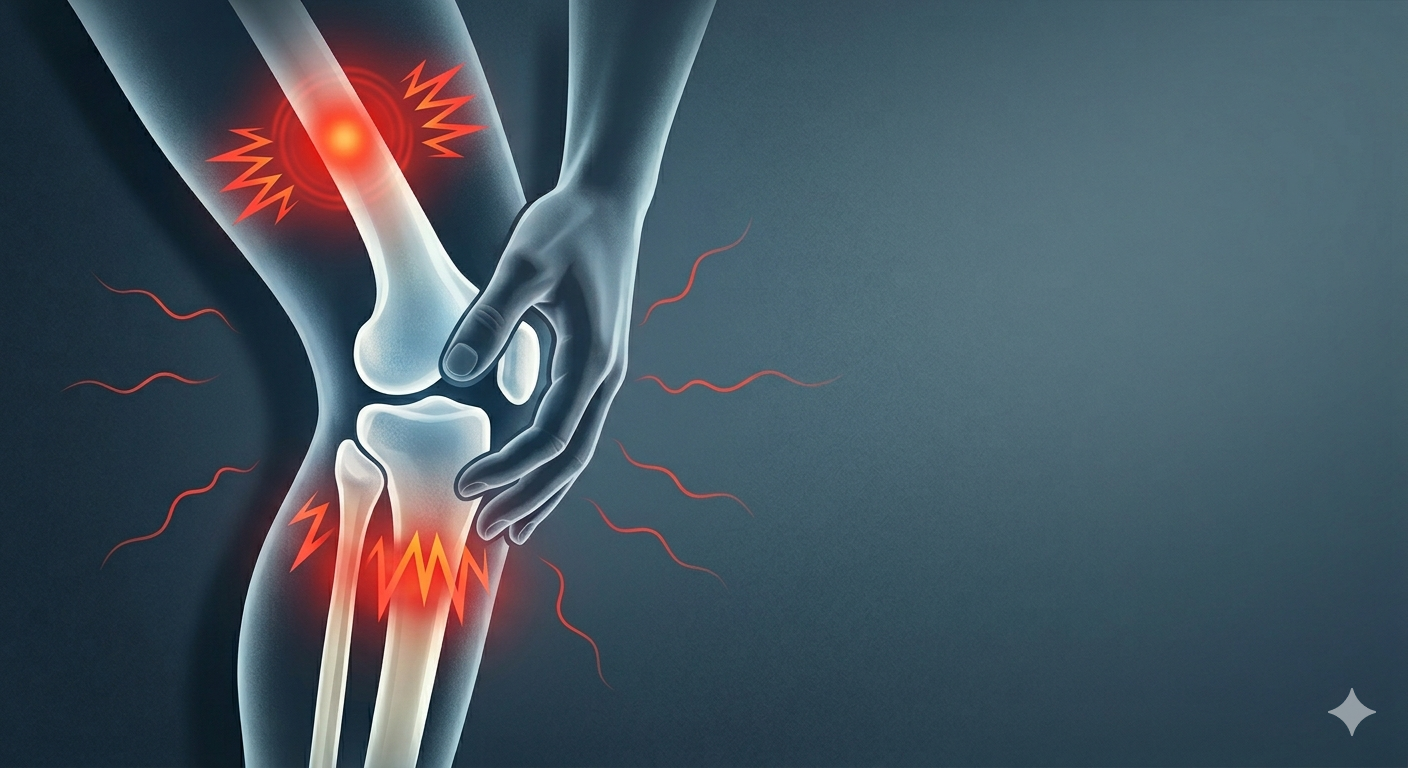
Bone pain is an unpleasant sensory and emotional experience characterized by extreme tenderness, aching, and deep discomfort in one or more bones. It can be acute (short-term) or chronic (long-term), depending on the underlying cause.
While it can affect anyone, bone pain is particularly common in older adults, and managing it in its advanced stages remains a significant clinical challenge. Because of this, many people are turning toward holistic healthcare approaches to find lasting relief.
Signs and Symptoms
The presentation of bone pain varies based on its root cause. Common symptoms include:
- Deep, constant aching or throbbing in the bones
- Localized tenderness or sensitivity to touch
- Swelling and redness around the affected area
- Decreased mobility in adjacent joints
- Unexplained fatigue and unwanted weight loss
- Bone weakness, which may lead to spontaneous or minor-impact fractures
What Causes Bone Pain?
Bone pain rarely happens without an underlying trigger. It is generally driven by mechanical, metabolic, or cellular factors:
- Mechanical Injuries: Fractures, sprains, or trauma damage bone tissue and surrounding structures, causing acute pain, swelling, and redness. Even after healing, some people experience aching during weather changes.
- Mineral Deficiencies: A progressive decline in bone mineral density (such as in osteoporosis) develops silently over years. Over time, it leads to bone fragility, deep aching, and high fracture risks.
- Bone Cancer and Metastasis: Primary bone tumors, or cancer that has spread to the bones from other organs (metastasis), can severely alter skeletal remodeling, causing intense pain, fractures, and anemia.
- Systemic Diseases: Conditions like anemia impair the nutritional and oxygen supply to bone tissues, disrupting healthy bone metabolism. Bone infections (osteomyelitis), blood disorders, leukemias, and the long-term use of certain medications (like corticosteroids) also contribute heavily to bone pain.
Risk Factors
Several lifestyle and biological factors increase your likelihood of developing bone pain:
- Age: Bones naturally weaken after the 40s and 50s due to shifts in hormone levels and cellular regeneration.
- Sex: Women are biologically more predisposed to bone density loss. Post-menopause, declining estrogen levels accelerate bone mineral depletion.
- Diet: A lack of calcium and Vitamin D compromises bone strength. Adults typically require 1,000 to 1,200 mg of calcium daily, paired with adequate Vitamin D for optimal absorption.
- Smoking: Chronic cigarette smoking impairs bone metabolism and accelerates bone density loss, elevating the risk of fractures and chronic pain.
How Bone Pain is Diagnosed
To build an effective treatment plan, a doctor must determine the precise cause of the pain through medical history, physical examinations, and diagnostic testing:
- Imaging (X-rays, CT Scans, MRIs): Standard X-rays identify fractures and structural abnormalities. Dual-Energy X-ray Absorptiometry (DEXA) scans specifically measure bone mineral density. MRIs and CT scans offer high-resolution, multi-angle views of soft tissues, bone marrow, and tumors.
- Laboratory Tests: Blood tests evaluate vitamin levels (like Vitamin D and Calcium), metabolic markers, and signs of systemic infection. Urine tests can help identify specific abnormalities linked to bone marrow disorders.
Conventional Treatment Methods
Conventional medicine focuses on rapid symptom control, stabilization, and addressing the primary underlying disease.
- Pharmacotherapy: For acute pain, non-steroidal anti-inflammatory drugs (NSAIDs) are commonly used. In severe or advanced chronic cases (such as cancer-related bone pain), physicians may prescribe stronger analgesics, including opioids.
- Bone-Strengthening Medications: Drugs like bisphosphonates are frequently prescribed to combat osteoporosis and reduce the risk of fractures.
- Surgical Intervention: Surgery is utilized to stabilize fractures, repair structural damage, or debulk tumors pressing against bone tissue.
- Nutritional Supplementation: High-dose therapeutic calcium, Vitamin D, and magnesium are standard components of conventional bone care to rebuild skeletal integrity.
Homeopathic Approach and Medicines
Homeopathy treats bone pain by looking at the individual as a whole. Rather than just masking the pain, a homeopath selects a remedy based on the patient’s distinct physical, mental, and emotional symptoms, alongside their medical history, to stimulate the body’s natural healing mechanisms.
- Aurum metallicum: Prepared from gold, this remedy is frequently used for severe, deep-seated nocturnal bone pains. It is often indicated when there is a tendency toward bone destruction (caries or necrosis), particularly in the cranial or palate bones, and is associated with a feeling of profound mental depression.
- Mezereum: Indicated for inflammation of the bone covering (periostitis) before pus forms. The patient experiences burning, darting, or bruised sensations in the long bones. The pain characteristically shoots upward, worsens at night, and is highly sensitive to touch.
- Asafoetida: Chiefly used for bone affections of the lower limbs, particularly the shin bone (tibia). It corresponds to deep, boring, or drawing pains that worsen during rest. It is also indicated when there are chronic bone ulcers with highly offensive discharges.
- Calcarea fluorica: A powerful biochemic tissue salt that addresses the malnutrition of bones. It is highly effective for bony hard swellings, enlargement of bones, osseous (bony) tumors, and chronic weakness of the skeletal structure.
- Phosphoric acid: Indicated when a patient experiences a sensation as if the bones are being “scraped with a knife,” particularly in the hips and spine. It is frequently prescribed for extreme physical debility, tearing joint pains, and conditions relating to childhood bone weakness (like rickets).
- Fluoric acid: Well-suited for burning, intermittent pains and bone decay (caries) in the long bones or jaw (maxillary necrosis). Uniquely, the patient’s bone pain is often temporarily relieved by cold applications.
- Calcarea phosphorica: This tissue remedy is vital when fractures are slow to heal or when bones fail to fuse properly due to impaired nutrition. In lower potencies, it stimulates callus formation and aids overall bone metabolism.
Note: Other remedies such as Symphytum (famous for accelerating fracture healing), Ruta graveolens, Silicea, Phosphorus, and Mercurius solubilis are also widely used depending on the specific symptom profile of the patient.
Physiotherapy and Rehabilitation Approach
Physical therapy acts as a functional bridge, restoring mobility and reducing the mechanical stress placed on weak or healing bones.
- Targeted Strengthening: Physiotherapists design low-impact exercises to strengthen the muscles surrounding the affected bones. Stronger muscles act as natural shock absorbers, reducing the direct load on the skeleton.
- Manual Therapy and Modalities: Techniques such as gentle joint mobilization, ultrasound therapy, and TENS (Transcutaneous Electrical Nerve Stimulation) are utilized to modulate localized pain and improve regional blood circulation.
- Hydrotherapy: Exercising in a warm water pool reduces gravitational load on the bones, allowing patients with severe pain or advanced osteoporosis to move freely and maintain joint health without risk of injury.
Yogic Approach
Yoga addresses bone health through mindful alignment, stress reduction, and gentle weight-bearing stimulation, which encourages bone remodeling.
- Gentle Weight-Bearing Asanas: Postures like Tadasana (Mountain Pose), Vrikshasana (Tree Pose), and modified variations of Virabhadrasana (Warrior Pose) exert a safe, isometric pressure on the long bones, stimulating osteoblasts (cells that build bone).
- Pranayama (Breathing Practices): Practices like Nadi Shodhana (Alternate Nostril Breathing) and Bhramari (Humming Bee Pranayama) calm the sympathetic nervous system. This reduces systemic cortisol—a stress hormone known to accelerate bone loss when chronically elevated.
- Restorative Yoga: Utilizing props (bolsters, blankets) in poses like Supta Baddha Konasana (Reclined Bound Angle Pose) allows deep relaxation and pain management without placing any muscular or skeletal strain on the body.
Conclusion
Managing bone pain effectively requires moving beyond a single-layer treatment. While conventional medicine provides vital emergency stabilization, diagnostic clarity, and acute pain control, holistic therapies offer supportive paths toward long-term recovery. Combining the individualized symptom targeting of homeopathy, the functional restoration of physiotherapy, and the nervous-system-calming benefits of yoga creates a comprehensive care plan. Always work alongside qualified healthcare professionals to tailor these approaches safely to your specific medical needs.
