
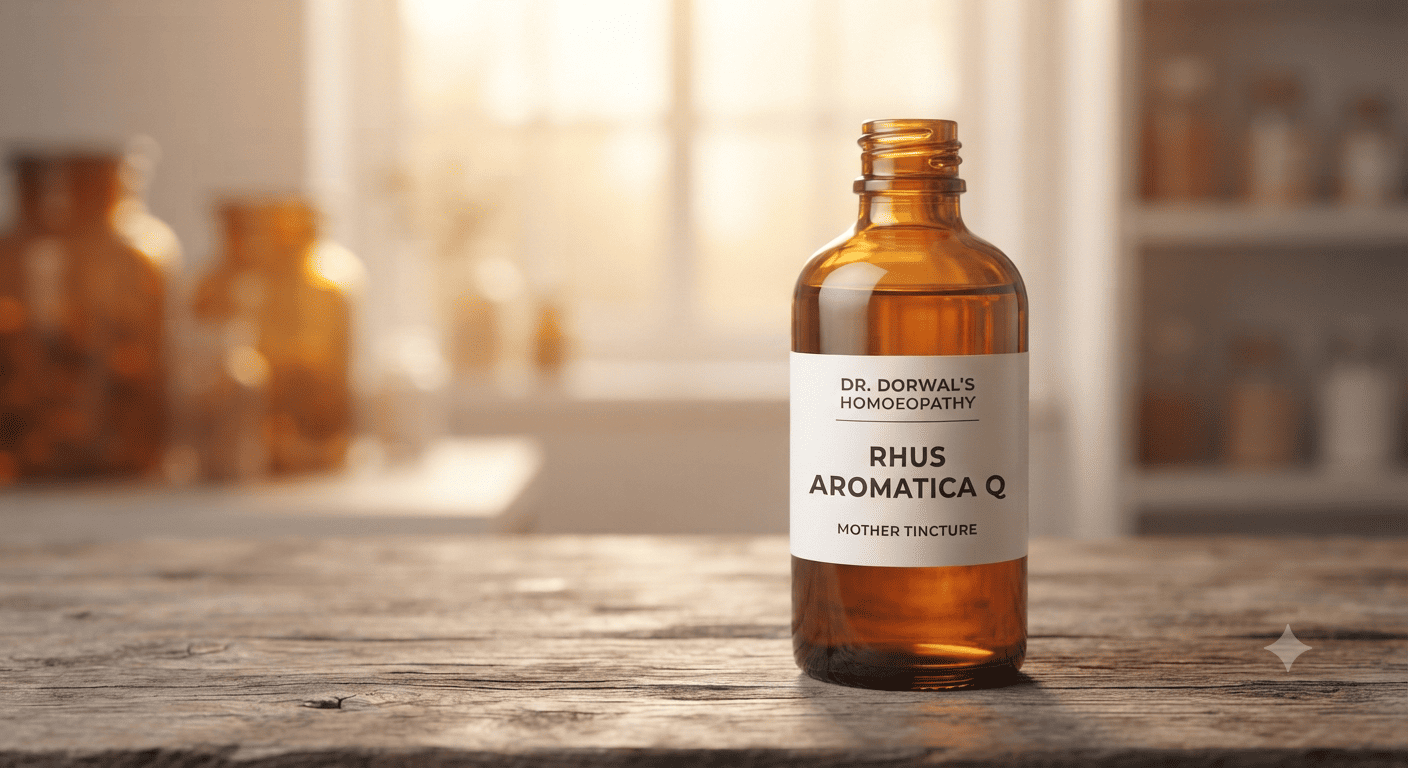
Rhus Aromatica is a specialized remedy in our pharmacopeia, highly regarded for its efficacy in managing specific renal and urinary system disturbances. It is particularly indicated when the clinical picture is dominated by loss of bladder control, albuminous urine, or chronic urinary irritation.
Key Clinical Indications & Uses
Rhus Aromatica is indicated for clinical pictures defined by vesical atony and specific urinary pathologies:
- Urinary Incontinence: It is a leading remedy for enuresis—particularly in children—resulting from vesical atony. It is also highly indicated for senile incontinence and cases characterized by constant dribbling of urine.
- Renal & Urinary Pathology: This remedy falls within the range of treatment for haematuria (blood in the urine) and cystitis. It is also a significant agent in the management of diabetes, especially when associated with the passage of large quantities of urine characterized by a low specific gravity.
- Urinary Symptoms: Patients may present with pale, albuminous urine. A hallmark indicator for children is severe pain occurring at the beginning of, or immediately before, urination, often causing great distress or “great agony”.
Administration & Therapeutic Modalities
- Dose Selection: In clinical practice traditionally it is utilized in the form of Mother tincture (Q).
Dr. Dorwal’s Perspective
In my clinical practice, Rhus Aromatica is an invaluable asset when addressing the frustrations of chronic urinary incontinence. I have found it particularly effective in geriatric cases where senile incontinence presents, as well as in children suffering from enuresis caused by a lack of bladder muscle tone. When a patient reports constant dribbling or the presence of albumin in the urine, this remedy often provides the necessary support to restore tone and function to the urinary tract. Its ability to address both the irritation of cystitis and the underlying atony makes it a versatile tool for any physician focusing on urological health.
Disclaimer: This content is for informational purposes only. Homoeopathic medicines should be taken under the guidance of a qualified homoeopathic physician. Do not self-medicate for chronic or serious medical conditions, and always seek professional advice for any health concerns.
Frequently Asked Questions (FAQs)
It is primarily used for renal and urinary affections, including diabetes, enuresis (bedwetting), senile incontinence, haematuria, and cystitis.
A key indicator in children is severe pain occurring at the very beginning of, or before, urination, which causes them great agony.
It is indicated for diabetes cases where the patient passes large quantities of urine with a low specific gravity.
It is traditionally administered in the Mother tincture (Q) form, using rather material doses.
