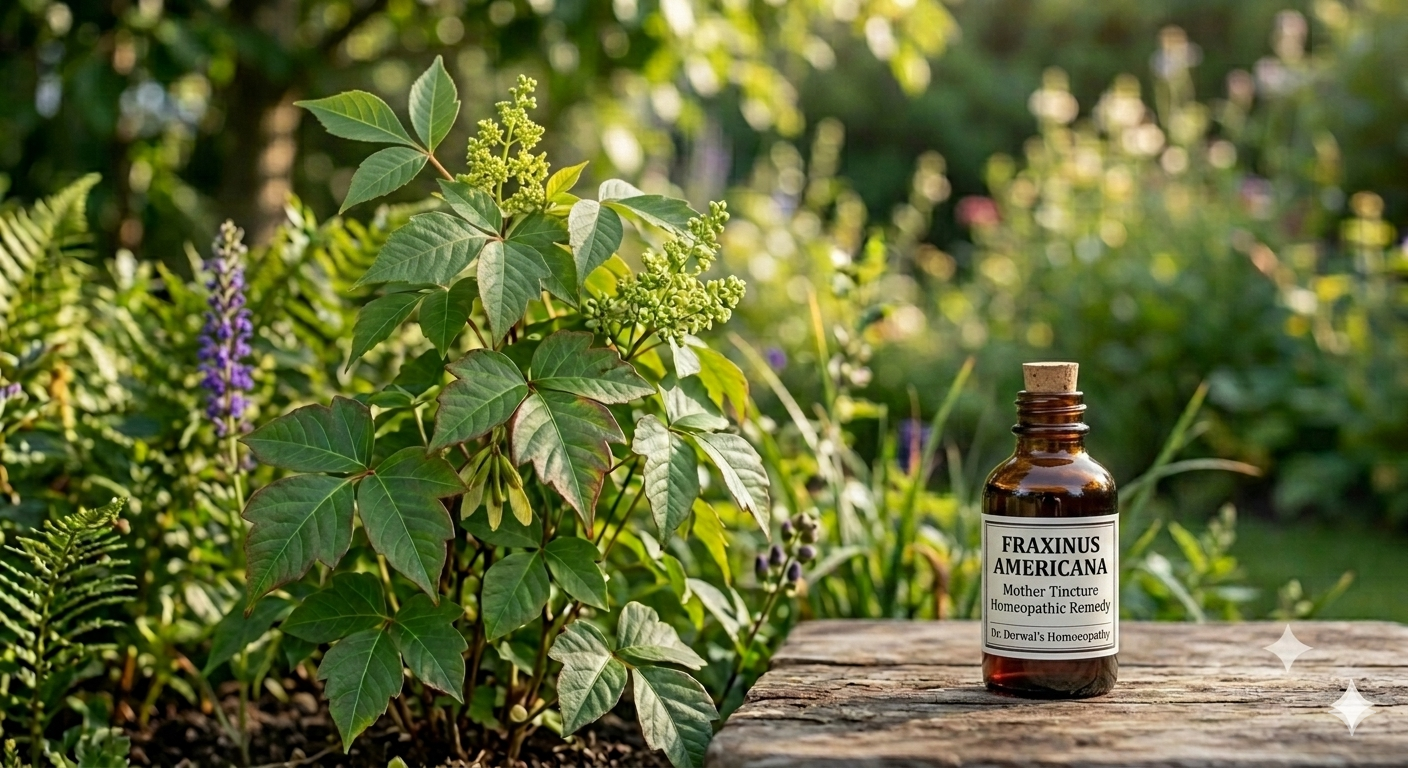
Quick Overview: Fraxinus americana is a targeted remedy for the female reproductive system. It is chiefly considered for an enlarged, heavy uterus with a “bearing-down” sensation, and is one of the remedies discussed for uterine fibroids and pelvic laxity.
Fraxinus americana (American White Ash) is a homoeopathic remedy primarily used for its targeted affinity for the female reproductive system, particularly in addressing conditions of the uterus. Its picture centres on an enlarged, “patulous” uterus, a sensation of heaviness or weight low in the pelvis, and a general lack of tone in the surrounding tissue. It is used in cases where a patient describes her uterus as feeling like it is dragging or bearing down, and where investigations point towards fibroids, subinvolution, or a mild degree of prolapse, Fraxinus americana is one of the remedies a homoeopathic physician may weigh up.
What is Fraxinus americana used for?
- Uterine Enlargement & Fibroids: It is frequently considered for an enlarged uterus and fibrous growths, particularly where there is a heavy, bulky feeling in the pelvis rather than sharp or cutting pain.
- Bearing-Down Sensation: A hallmark indication is a pronounced bearing-down or dragging sensation in the pelvis, sometimes extending down the thigh, that is characteristic of this remedy’s picture.
- Prolapse & Subinvolution: It is indicated in cases of uterine prolapse or subinvolution, where the uterus has failed to return to its normal size and tone, for example after childbirth.
- Leucorrhoea: It is considered for an accompanying watery, non-irritating (unirritating) leucorrhoea, distinguishing it from remedies indicated for acrid or offensive discharges.
- Associated Symptoms: Cramping in the feet, worse in the afternoon and at night, along with dysmenorrhoea and tenderness in the left inguinal region, are also noted in its clinical picture.
How It Compares With Other Fibroid & Uterine Remedies
| Remedy | Key Distinguishing Feature |
| Fraxinus Americana | Enlarged, heavy uterus with a marked bearing-down sensation; watery, non-irritating leucorrhoea; cramps in the feet, worse afternoon and night. |
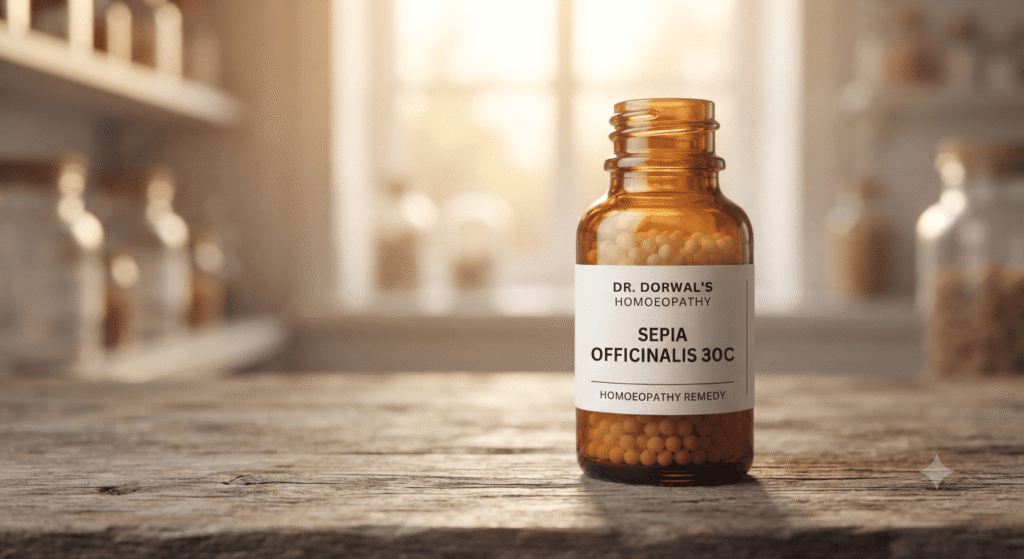
| Sepia Officinalis | Dragging, “pushing-down” sensation with irritability and indifference towards family; chilliness during menses; tendency to prolapse. |
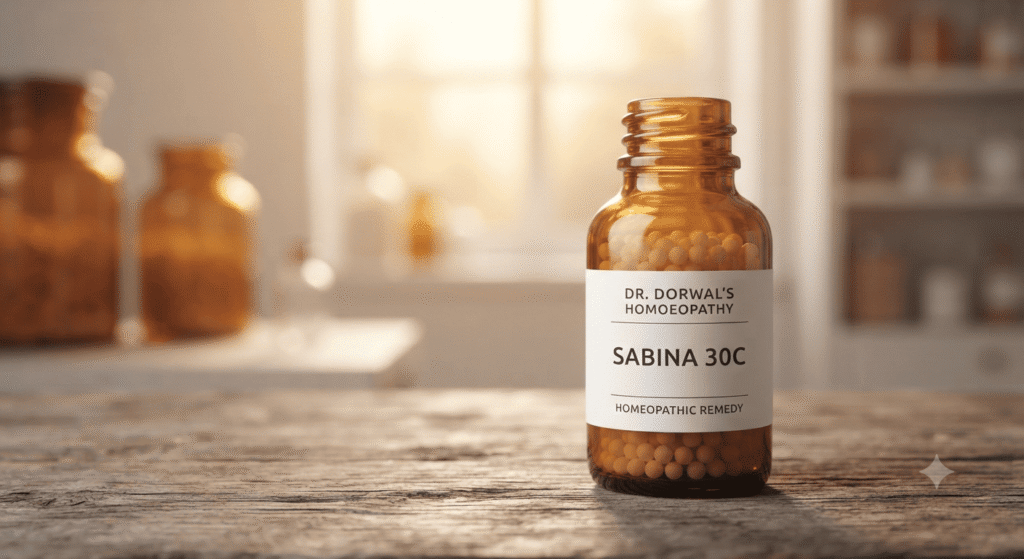
| Sabina Officinalis | Profuse bright-red bleeding with dark clots, worse from the slightest motion; pain radiating from the sacrum to the pubis and down the thighs. |
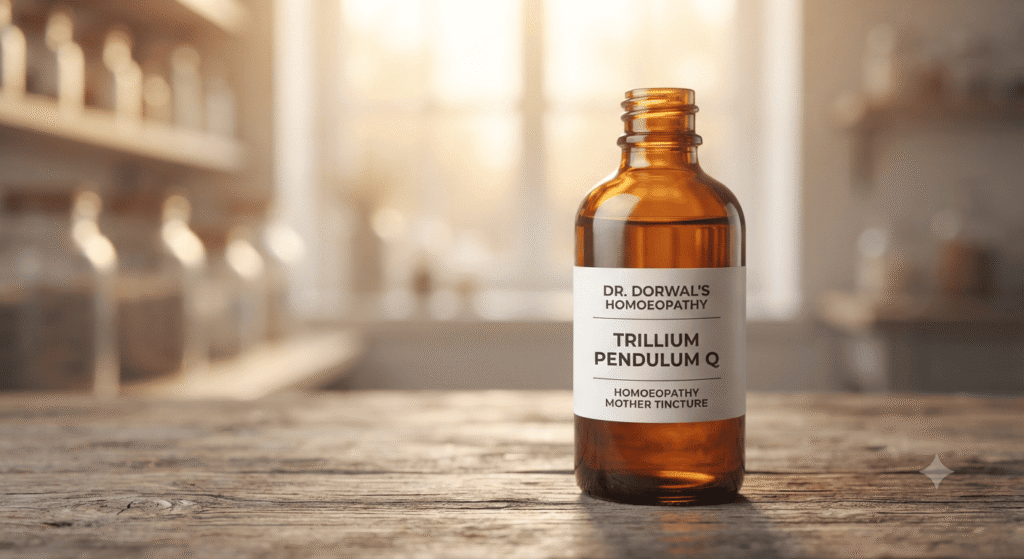
| Trillium Pendulum | Gushing, bright-red haemorrhage with a sensation as if the back and hips were falling apart; relief from tight binding of the pelvis. |
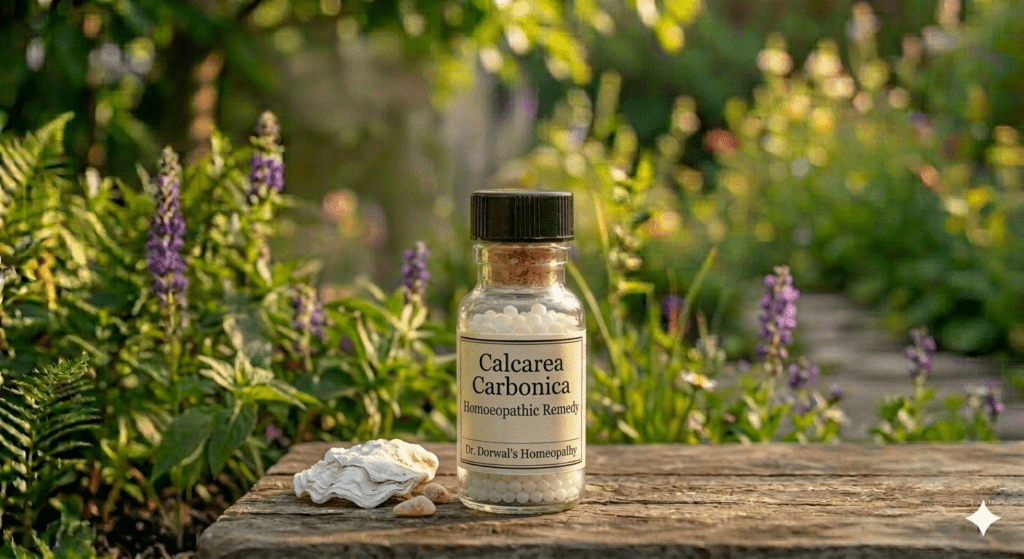
| Calcarea Carbonica | Fibroids in fair, flabby, chilly women with profuse, prolonged menses and marked perspiration. |
Fraxinus americana Dosage: How Is It Taken?
- Potency & Dosage: Fraxinus americana is most commonly used as the Mother Tincture (Q), classically dosed at ten to fifteen drops, three times a day, though this should always be adjusted by the prescribing physician. Some practitioners also use it in low potencies such as 30C, particularly where a gentler, more constitutional approach is preferred.
- Clinical Observation: The hallmark of this remedy is its restorative effect on pelvic and uterine structures. Clinical success is observed through the reduction of the sensation of “bearing down,” improvement in pelvic tone, and the management of associated uterine enlargements.
Dr. Dorwal’s Perspective
Fraxinus americana is a remedy I reserve for a fairly narrow set of cases — where a patient’s chief complaint is that persistent feeling of weight or “bearing-down” that so often accompanies an enlarged or displaced uterus. I’ll be honest that I haven’t personally prescribed it in my own practice, simply because the exact picture it covers doesn’t come up as frequently as in homoeopathic clinic practice. It is a remedy aimed at “structural restoration”—helping to address the underlying lack of tone in the pelvic tissues. It remains an essential remedy to consider for patients dealing with these specific, localized uterine challenges. When a case does match — the dragging, the weight, the sense that everything down there needs support — this is exactly the remedy I’d turn to. I’d rather wait for the right fit than force it onto a case that doesn’t truly call for it.
Disclaimer: This content is for informational purposes only. Homoeopathic medicines should be taken under the guidance of a qualified homoeopathic physician. Do not self-medicate for chronic or serious medical conditions, and always seek professional advice for any health concerns.
Frequently Asked Questions (FAQs)
Fraxinus Americana is utilized in homoeopathy for managing uterine enlargements, fibroids, and sensations of bearing down or pelvic heaviness.
Fraxinus Americana Q is generally used for its restorative action on pelvic tone, helping to address the heaviness, dragging sensation, and lack of tone associated with an enlarged or displaced uterus.
Yes. Fraxinus Americana is one of the remedies considered for uterine fibroids, particularly where the leading complaint is a heavy, bulky uterus with a marked bearing-down sensation rather than severe bleeding or sharp pain.
When Fraxinus Americana Q is taken in appropriate homoeopathic doses under professional supervision, it is generally safe. As with any remedy, it should not be self-prescribed or taken in excess — a qualified physician should guide the dose and duration based on the individual case.
Fraxinus Americana 30C potency is used for the same core indications — uterine enlargement, bearing-down sensation, and pelvic laxity — with the potency and repetition chosen by the physician according to the case’s chronicity and the patient’s sensitivity.